Over the last few years, the way NGOs in Uttar Pradesh document and present their work has undergone a noticeable shift. What was earlier limited to periodic reporting has now moved toward more structured, visual documentation; driven largely by the scale of programs and increasing expectations from funders and government stakeholders.
Uttar Pradesh operates at a scale where even district-level interventions can impact lakhs of beneficiaries. With the state’s population crossing 24 crore, and development programs running simultaneously across multiple districts, the challenge is no longer just implementation, it is clear and verifiable communication.
This is where NGO video production has become increasingly relevant not as a creative add-on, but as a practical tool to present field realities in a format that stakeholders can easily review and understand.
Development work in Uttar Pradesh is inherently local. Programs are shaped by district-specific conditions whether it’s livelihoods in Bundelkhand, education in eastern UP, or health interventions in high-density regions.
Large-scale initiatives such as:
require communication that reflects implementation at the ground level, not just aggregated outcomes. This has led to the growing importance of NGO documentary video services, which focus on capturing:
These videos are now used for programme reviews, donor communication, and internal assessments, where clarity matters more than presentation.

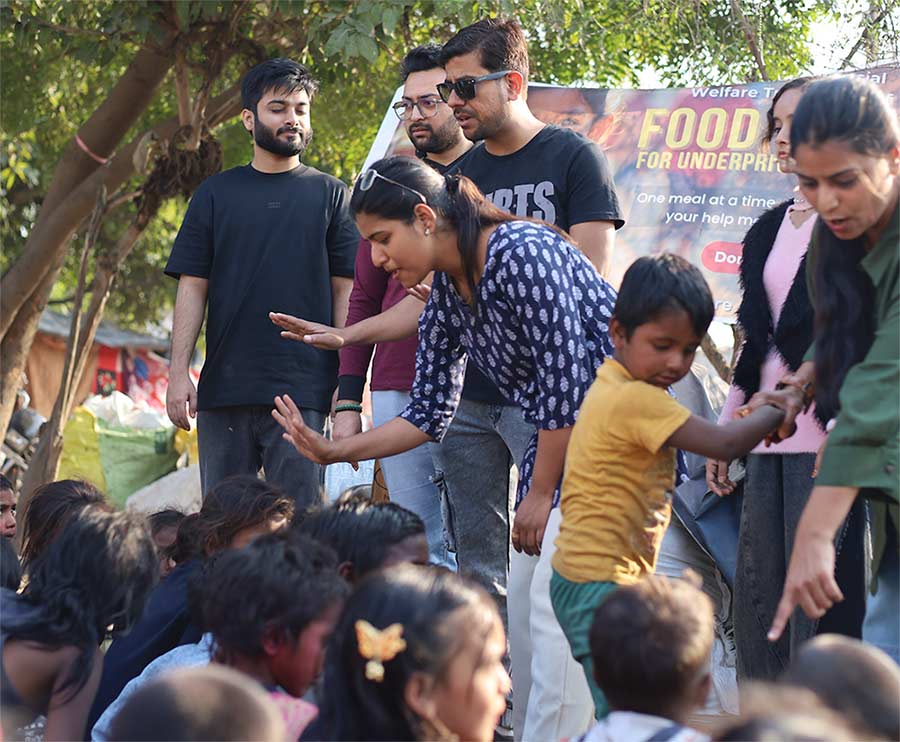
This shift is not theoretical, it is already visible in how NGOs and partners in UP are communicating:
In both cases, video is not used for promotion, it is used for clarity, replication, and validation.
Lucknow’s role in this ecosystem is operationally significant. As the administrative centre, it acts as a coordination point between NGOs, government departments, and CSR stakeholders.
This has led to the rise of NGO promotional video makers in Lucknow who are familiar with both field execution and institutional requirements.
At the same time, the demand has shifted toward more structured nonprofit video production services teams that can:
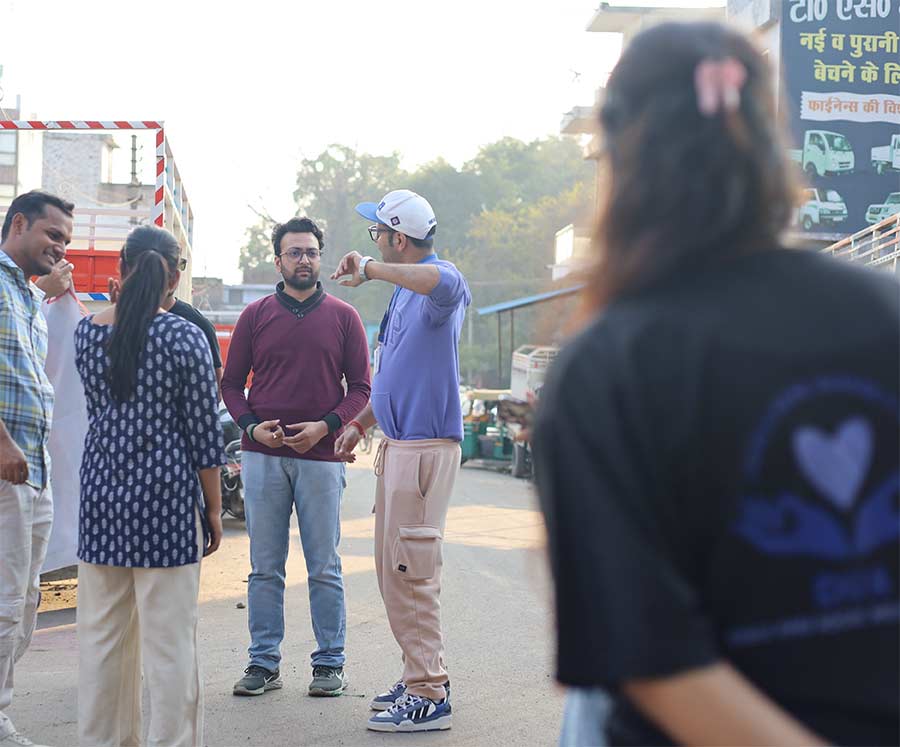
The role of video in NGO operations across Uttar Pradesh has expanded beyond awareness campaigns. It is now being used across multiple functions:
This shift became more pronounced post-2020, when remote monitoring increased the need for visual validation
Given the nature of development work, social impact video production in Uttar Pradesh requires a careful and considered approach. Many of these narratives deal with sensitive areas such as nutrition, gender, and livelihoods, where the way a story is presented carries real implications. It is not just about capturing visuals, but about ensuring that what is shown is accurate, respectful, and contextually correct. Experienced NGO documentary video services therefore focus on maintaining factual integrity, avoiding unnecessary dramatization, and representing communities with dignity. This approach is increasingly important as the sector moves toward greater transparency and accountability, where communication is expected to reflect reality rather than perception.
As development initiatives continue to expand across Uttar Pradesh, communication practices are also becoming more structured and intentional. There is a visible shift toward research-backed documentation, where storytelling is supported by program data and on-ground insights. Instead of one-time outputs, organisations are now moving toward continuous content creation that tracks progress over time. At the same time, distribution is no longer limited to a single platform; videos are being used across digital channels, internal reviews, and stakeholder presentations. With more than 10 crore internet users in the state, video has naturally emerged as one of the most accessible and effective formats to communicate with diverse audiences across regions.

In a state operating at this scale, communication depends on how clearly work can be presented and understood. NGO video production enables this by offering a direct view of implementation; grounded, contextual, and verifiable.
As expectations grow, the focus will remain on communication that is not just engaging, but accurate, responsible, and aligned with real on-ground work.