Uttar Pradesh has never been a static landscape. Over the last two decades, the state has moved through distinct phases: rapid urban expansion, infrastructure-led growth, and increased policy focus on sanitation, water systems, and environmental management. But alongside this transformation, one challenge has remained consistent: how to communicate environmental realities in a way that people actually understand and respond to.
Data has existed. Policies have existed. What has often been missing is translation into formats that ordinary citizens can relate to. This is precisely where environmental awareness films have begun to play a more defined role in the state.
According to the Central Pollution Control Board (CPCB), several cities in Uttar Pradesh including Ghaziabad, Noida, and Kanpur have consistently recorded high Air Quality Index (AQI) levels over the years. At the same time, reports from the National Mission for Clean Ganga (NMCG) highlight continuous efforts toward river rejuvenation, especially in stretches passing through Varanasi and Kanpur. These are not small-scale issues; they are systemic, long-term, and deeply connected to public behaviour. And that is where traditional communication often falls short.
Earlier, environmental communication in UP largely relied on circulars, awareness drives, and campaign-led messaging. While these served their purpose, they rarely created retention or behavioural change.
Today, there is a clear shift in Uttar Pradesh toward environmental storytelling whether through short films or documentary formats that move beyond mere instruction and focus on deeper understanding.
These formats are doing something different:
For instance, government data from Swachh Bharat Mission (Grameen) indicates that Uttar Pradesh has made significant progress in rural sanitation coverage over the years. However, independent field studies and behavioural reports have consistently pointed out that infrastructure alone does not guarantee usage or long-term adoption.
This gap between availability and adoption is where storytelling becomes critical.
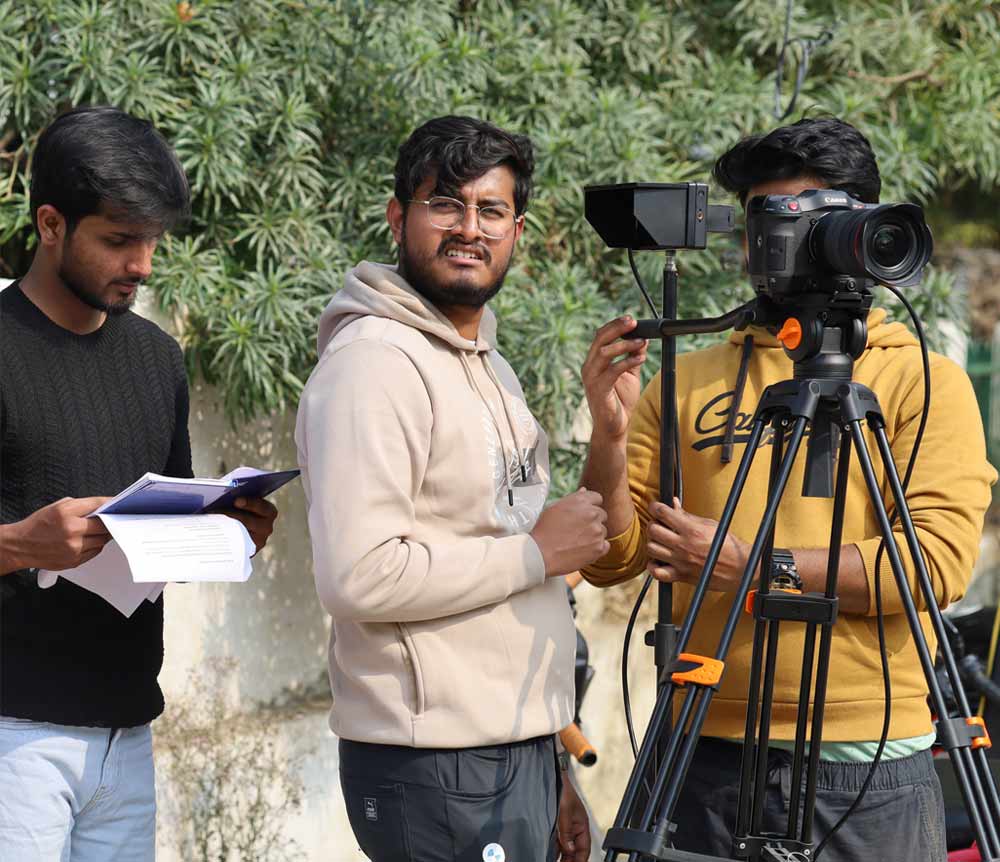
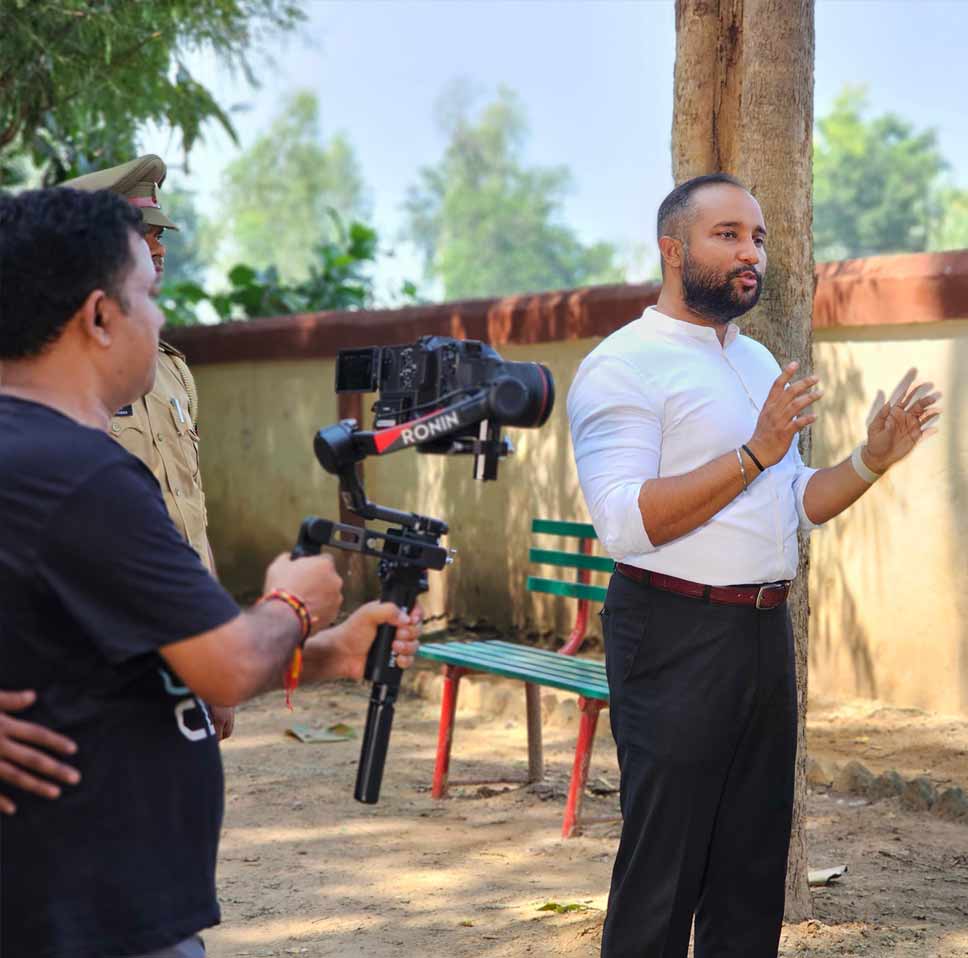
When we look at eco-friendly movies in Uttar Pradesh their relevance is rooted in very real, region-specific challenges.
In western UP, particularly across districts like Meerut and Ghaziabad, deteriorating air quality has emerged as a persistent public health concern. In eastern regions, recurring flood cycles continue to disrupt agriculture and daily life. At the same time, rapidly expanding urban centres are facing increasing pressure around waste management and growing landfill zones, issues that are becoming harder to ignore with each passing year.
These are not isolated concerns; they reflect a broader environmental pattern that requires more nuanced and grounded communication. Reports from NITI Aayog’s Composite Water Management Index have flagged multiple districts in Uttar Pradesh under water stress categories. Similarly, studies referenced by the World Bank on the Indo-Gangetic plains highlight long-term environmental pressures impacting both ecology and livelihoods.
These are layered realities that cannot be addressed through surface-level messaging. This is where Uttar Pradesh environment awareness cinema is gradually evolving, not as a creative trend, but as a communication necessity. The focus is shifting toward helping people see how these issues intersect with their daily lives, rather than presenting them as distant policy concerns.
Uttar Pradesh is not a uniform audience. It is a mix of urban, semi-urban, and rural populations with varying levels of access, literacy, and exposure.
This diversity makes format selection critical.
That’s why environmental awareness films here are not just about visuals they are about adaptation. The same issue needs to be communicated differently in Lucknow, Gorakhpur, and Jhansi. And increasingly, departments, NGOs, and CSR teams are recognising this.
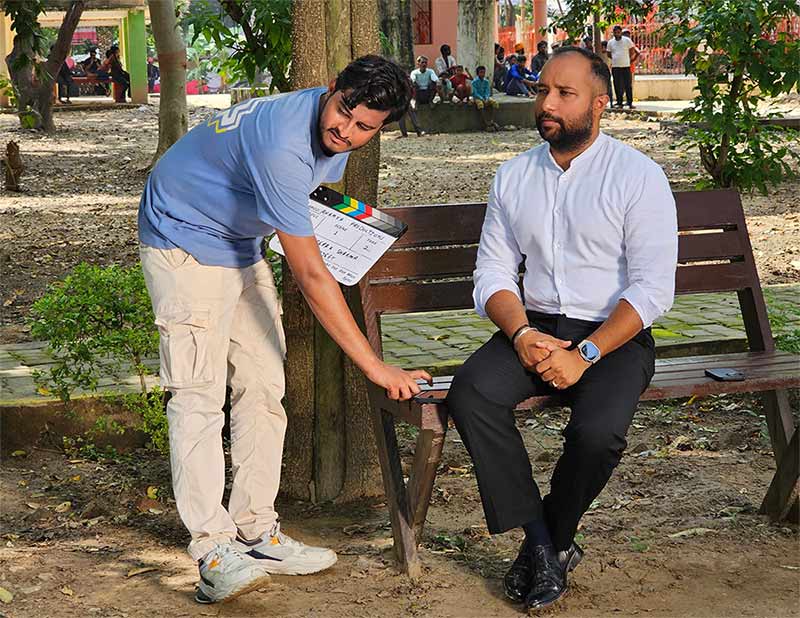
As the demand for UP-based environmental documentary films and environmental short films in UP grows, the expectation is also changing. It is no longer enough to “create a film.” The requirement now is to:
This is where a structured approach becomes important. At Anamya Productions, the focus has been on building a system where storytelling is backed by research, context, and execution clarity. The emphasis remains on the creation of social impact-driven films, centred on showcasing both the cause and the solutions around it.
Extending this, Anamya Genverse works as a dedicated vertical for communication-led interventions where government initiatives, CSR programs, and institutional work are translated into narratives that are usable, relevant, and outcome-oriented. The intent is simple: Not to dramatize issues but to make them understandable and actionable.
If the last decade in Uttar Pradesh was about building physical infrastructure, the next phase will increasingly depend on communication infrastructure. Because policies can be implemented at scale but impact depends on public alignment. And in a state where scale itself is a challenge, environmental awareness films are no longer optional tools. They are becoming part of how governance, institutions, and organisations engage with reality. The shift is already visible. The question is no longer whether storytelling is needed. It is how effectively it is being used.