This understanding is deeply connected to narrative psychology, the study of how human beings process information through stories. While data may explain a problem, stories help people understand why that problem matters to them. For communication to create genuine impact, people must not only receive a message; they must feel connected to it.
That belief guides how our creative teams, communication strategists, researchers, and marketing psychology professionals approach every awareness-focused project. Before a concept is developed, significant effort goes into understanding audience behaviour, emotional triggers, cultural context, social perceptions, and the barriers that prevent action. The objective is never to create content that simply generates views. The objective is to create communication that people remember, discuss, and carry forward.
One of the most important decisions in any awareness campaign is deciding what conversation deserves attention. At Anamya, we have always been drawn towards subjects that carry social relevance and human significance. Topics related to health, dignity, inclusion, behavioural change, community awareness, and social responsibility often involve large amounts of information. Reports exist. Data exists. Statistics exist. But information alone rarely changes behaviour. People engage when they see themselves reflected in the story.
This is why our approach focuses on identifying the human experience behind the issue. Instead of beginning with statistics, we begin with emotions. Instead of asking what information should be delivered, we ask what experience should be understood. That difference often determines whether a campaign is merely watched or genuinely remembered.
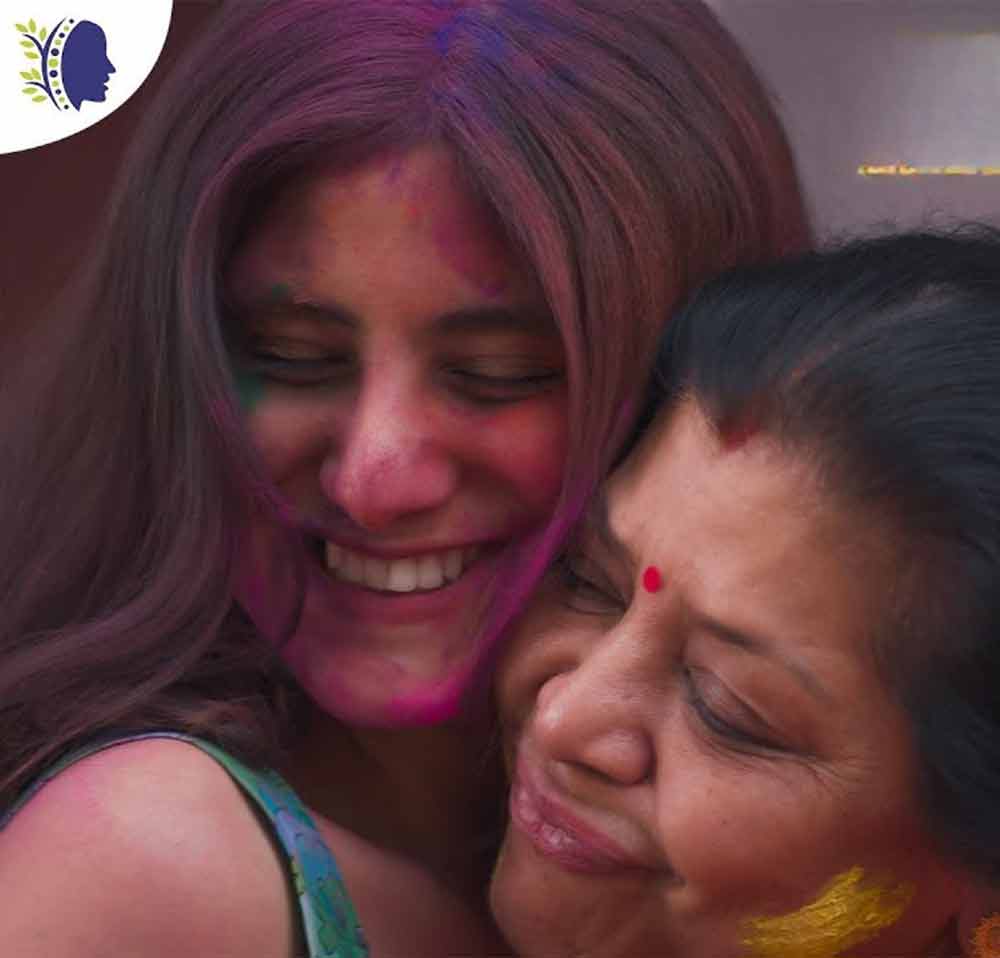
One example of this approach can be seen in It's Her Holi Too. The film emerged from a simple observation. Festivals are moments of celebration, colour, and togetherness. Yet many of the people who contribute most to creating these celebrations often remain unnoticed.
Rather than delivering a social message through direct instruction, the film approached the subject through emotion and familiarity. It encouraged audiences to pause and recognise the women who bring colour, care, effort, and meaning into everyday life. The intention was not to lecture. The intention was to create reflection. Because appreciation cannot be forced through information. It emerges when people emotionally recognise a reality they may have previously overlooked. The response to the film reinforced a belief we continue to carry into our work today: meaningful awareness often begins with empathy rather than explanation.
Healthcare communication presents a similar challenge. Most public-health conversations are supported by extensive research, medical expertise, and scientific evidence. Yet for many people, health decisions are influenced just as much by fear, hesitation, social perception, and personal experiences as they are by facts.
This is why awareness campaigns in healthcare require more than information dissemination. They require emotional understanding. Our work around breast cancer awareness was built on this very principle. The objective was not simply to talk about screening, prevention, or medical procedures. Those facts are important, but they are already available through countless sources. The challenge was helping audiences connect emotionally with the importance of awareness itself.
By focusing on personal experiences, relationships, vulnerability, resilience, and the realities faced by women and families, the communication moved beyond healthcare information and entered a more human space. Because when people see themselves, their mothers, sisters, daughters, or friends reflected in a story, the conversation becomes personal. And personal conversations are often the ones that lead to action.
The same philosophy shaped Red Crayon. The project explored themes connected to healthcare systems, patient safety, and accountability subjects that are often discussed through reports, investigations, policies, and technical documentation. While these conversations are important, they frequently remain confined to institutional spaces. Storytelling provides an opportunity to bring them closer to public understanding.
Through a narrative-led approach, Red Crayon sought to explore how seemingly small lapses within larger systems can have profound human consequences. Rather than presenting the issue through statistics or procedural explanations, the story focused on the people affected by those realities. This approach allowed audiences to engage with a complex issue through empathy and emotional understanding rather than through information alone. For us, projects like Red Crayon demonstrate why responsible storytelling matters. Not because stories simplify issues. But because they help people connect with issues deeply enough to care about them.
Every awareness initiative we undertake begins with a simple belief: People do not connect with campaigns. People connect with stories. That belief influences every stage of our process from research and audience understanding to concept development, scripting, production, post-production, and distribution strategy.
As a DAVP/CBC-empanelled production house working across social-impact communication, healthcare storytelling, public awareness initiatives, CSR campaigns, and behaviour-change communication, we recognise that communication carries responsibility. The goal is not simply visibility, the goal is understanding, not simply impressions but influence, not simply awareness but action and that action becomes possible when communication is rooted in empathy, behavioural understanding, and meaningful storytelling.