If you want a crash course in creative entrepreneurship, try launching a visual storytelling company in 2021, in the middle of a global pandemic. In hindsight, it was the best thing that could have happened to us. When the world shut down, we made Shadows of Life, a cinematic docudrama about how COVID-19 tore through different layers of Indian society. I wrote and directed it. It wasn’t a commercial project. There was no client brief, no guaranteed distribution, no safety net. It was just us, a belief that this story deserved to be told, and a camera. A purpose-driven brand isn’t built in boardrooms. It’s forged in the decisions you make when no one is watching. That film became our calling card. It attracted clients, collaborators, and team members who were drawn to what we stood for, not just what we could produce.
Let me be honest about something that purpose and profit can pull in opposite directions. Not always, but often enough that you have to consciously manage the relationship between them. In the early days, we took on projects that paid the bills but didn’t quite fit who we were. That’s not failure, that’s survival, and there’s no shame in it. But I noticed something: those projects drained the team in a way that our impact work never did. So we made a deliberate decision: we would pursue commercial excellence as the engine that funds creative purpose, not the other way around. Today, Anamya operates across two parallel worlds. Our studio and commercial arm handles high-quality ad films, corporate videos, VFX, and brand content. Our Genverse vertical handles CSR films, ESG communications, government public awareness campaigns, and NGO storytelling. One funds the mission. Both embody it.
Creative business growth is ultimately a people problem. You can have the best vision, the cleanest studio, and the most impressive client list, but if your team doesn’t believe in what they’re building, you’ll hit a ceiling fast. I’ve always hired for conviction first. Can this person tell me why stories matter? Do they have a point of view? Are they building something? That’s not idealism. That’s strategy. When your team genuinely believes in the work, when the animator pulling an all-night render feels the weight of the message, not just the deadline, the output is categorically different. Clients feel it. Audiences feel it. Awards committees feel it. Culture doesn’t happen by accident. It requires the founder to keep articulating the why, in town halls, in project debriefs, in the uncomfortable conversations when commercial pressure starts pulling against creative integrity.
From Lucknow to Noida, and with a presence in Dubai, Anamya has scaled in ways I genuinely didn’t predict when we started. We’re now empanelled with the Government of India’s Central Bureau of Communication. We run one of North India’s most advanced production studios. We have verticals spanning academy, casting, VFX, and technology. We work with government agencies, corporations, NGOs, and international clients. None of that happened by chasing growth for its own sake. It happened because we stayed close to our original mission: stories that matter, told with craft. Every new vertical, every new geography, every new capability was built to serve that mission better, not replace it. Scale is only healthy when it amplifies your purpose, not when it dilutes it.
I came from media. I’ve worked in corporate environments and in creative ones. None of that prepared me fully for what building Anamya actually required. The founder journey, especially in a creative entrepreneurship context, is messier than any business school case study suggests. There are months when the work is extraordinary and the cash flow is brutal. There are projects you pour your soul into that don’t get the recognition they deserve. There are decisions you make at midnight that you second-guess for weeks. What I’ve learned is that the founders who last aren’t the ones with the most talent or the best connections. They’re the ones who have a clear enough sense of purpose that the hard days don’t make them question whether they should exist at all, only how to exist better. Purpose isn’t just a brand strategy. It’s a survival mechanism.
We’re building forward on every front. The Anamya Academy is creating pathways for the next generation of creative professionals in India. Genverse is deepening our impact in CSR and ESG communication. The studio infrastructure is being expanded to handle the scale of productions we’re increasingly being trusted with. And we’re staying committed to something I want to put plainly: we are not trying to be the biggest production house in India. We are trying to be the most purposeful one. If that mission continues to attract the right clients, the right team, and the right opportunities, growth will follow. It always has.
If you’re building a creative agency or a creative business of any kind, here’s what I’d leave you with: The market will always offer you a version of success that doesn’t require you to stand for anything. More clients. More revenue. More scale. Faster. Resist it, not by avoiding growth, but by ensuring your growth is rooted in the same thing your beginning was. The world doesn’t need more content. It needs more conviction.
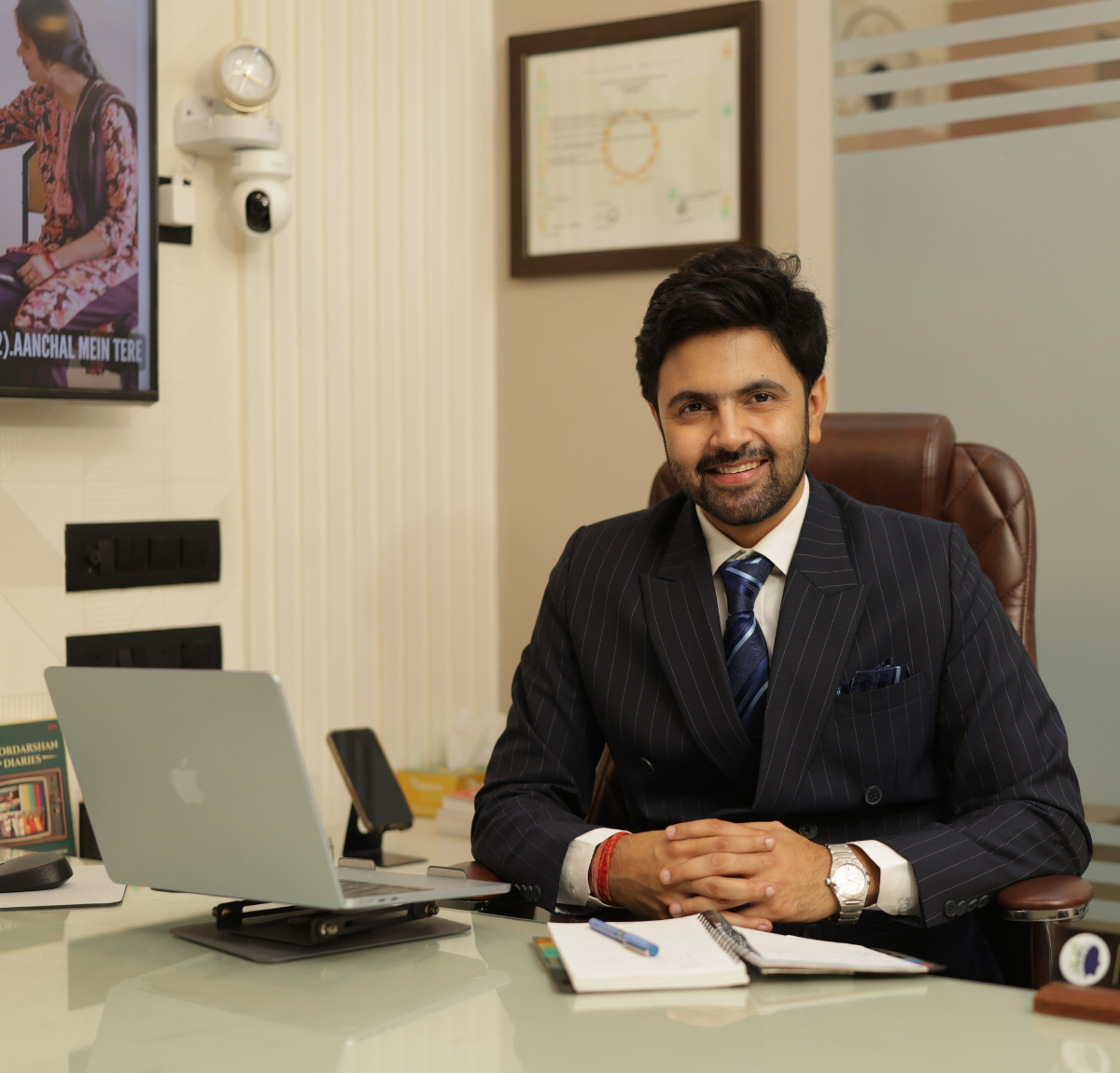
Apoorv Chaturvedi, Founder & Managing Director of Anamya Productions and Consultancy Pvt. Ltd., India’s first social-impact storytelling production house. Based in Lucknow with operations across India and Dubai, Anamya works at the intersection of creative excellence and purposeful storytelling.
anamya.co.in • +91 9621000021 • info@anamya.co.in
Lucknow • Noida • Delhi • Mumbai • Dubai