How Anamya Studio VFX Built an Integrated AV Production, VFX, Animation and Post-Production Ecosystem in Uttar Pradesh
Others are built because someone believes the market should exist.
Anamya Studio VFX belongs to the second kind.
Its story began in 2021, at a time when Anamya Productions & Consultancy Pvt. Ltd. was still taking shape creatively through its early social-impact films. Those projects had done more than give the company its first body of work. They had revealed something larger: if Anamya wanted to create more ambitious films, campaigns and original intellectual properties, it needed greater control over the way those ideas travelled from script to screen.
For Apoorv Chaturvedi, Managing Director of Anamya Productions & Consultancy Pvt. Ltd. , the answer was not simply to hire more vendors or move more work to Mumbai.
The answer was to build.
And to build in Lucknow.
Not as a compromise.
As a statement of intent.
The original concept was straightforward: all under one roof.
Creative development. Pre-production. Shooting. Green-screen production. Editing. Sound. VFX. Animation. Colour grading. DI. Dubbing. Localisation. Final delivery.
The objective was to create an integrated AV production and post-production studio in Lucknow that could service Anamya's own in-house projects while also handling professional work for government organisations, institutions, brands and private clients.
But there was an important distinction.
The ambition was not merely to create a studio that looked advanced by regional standards.
The ambition was to create work that would not require the word regional as an explanation.
Inside Anamya, that philosophy was often understood through what Apoorv described as a “Netflix-standard mindset.” It was never meant as a claim of association with Netflix. It meant something simpler and more demanding: cameras, monitoring, software, technicians, workflows and creative execution should be chosen against recognised professional production standards rather than against what happened to be locally available.
The question was never:
“Is this good for Lucknow?”
It was:
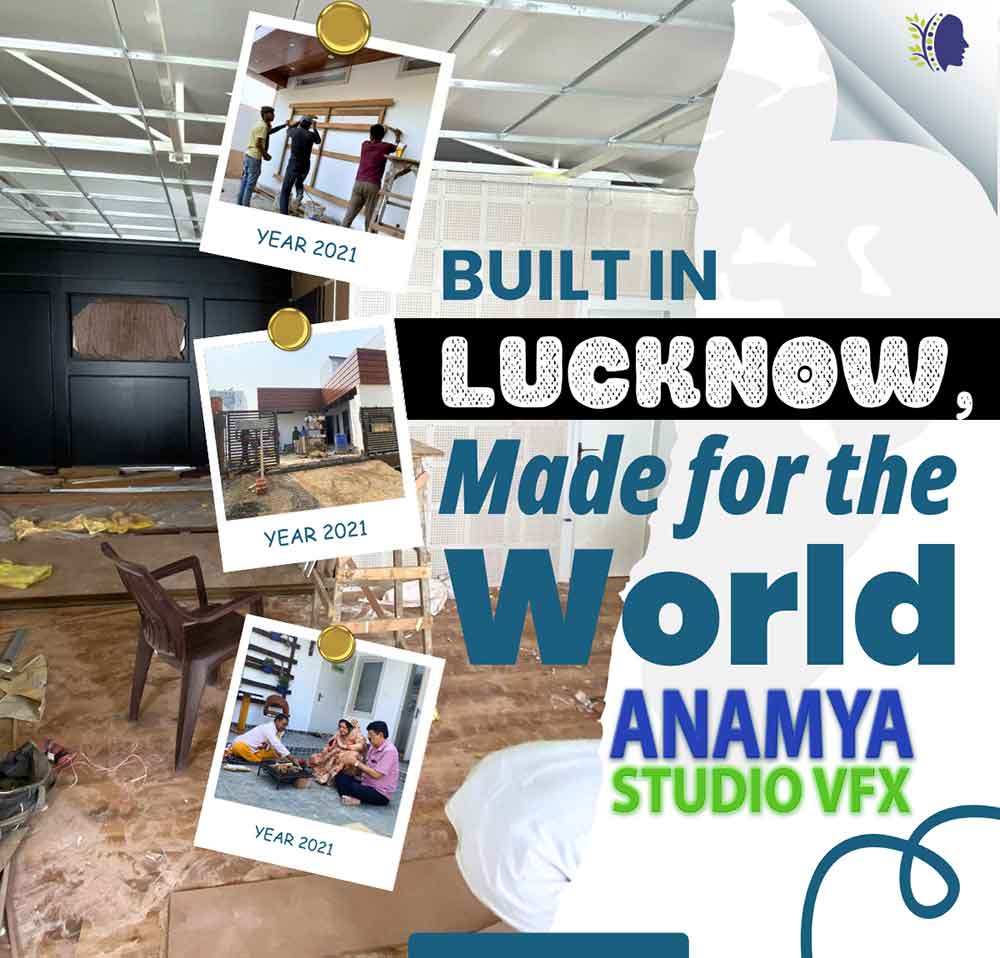
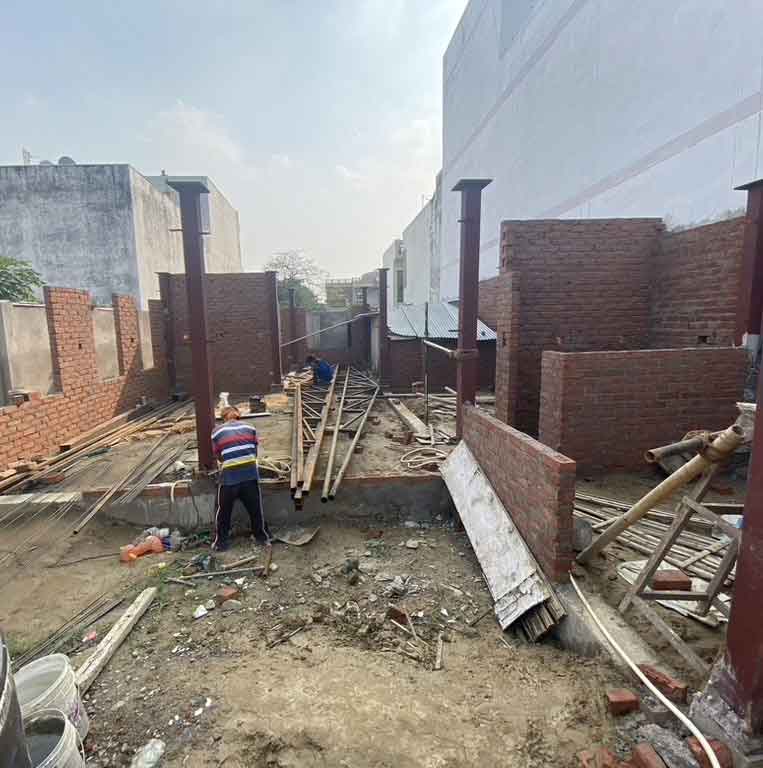
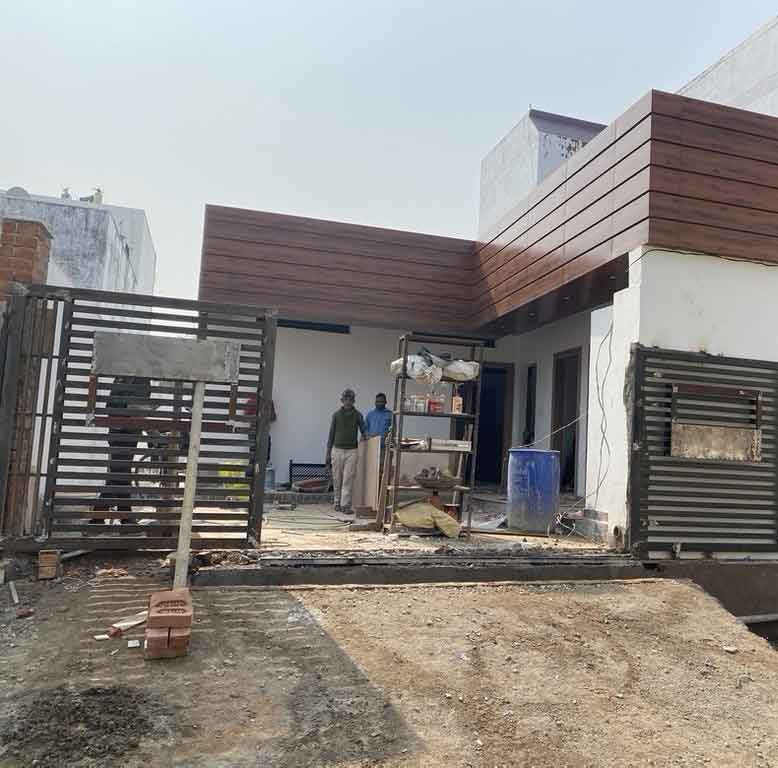
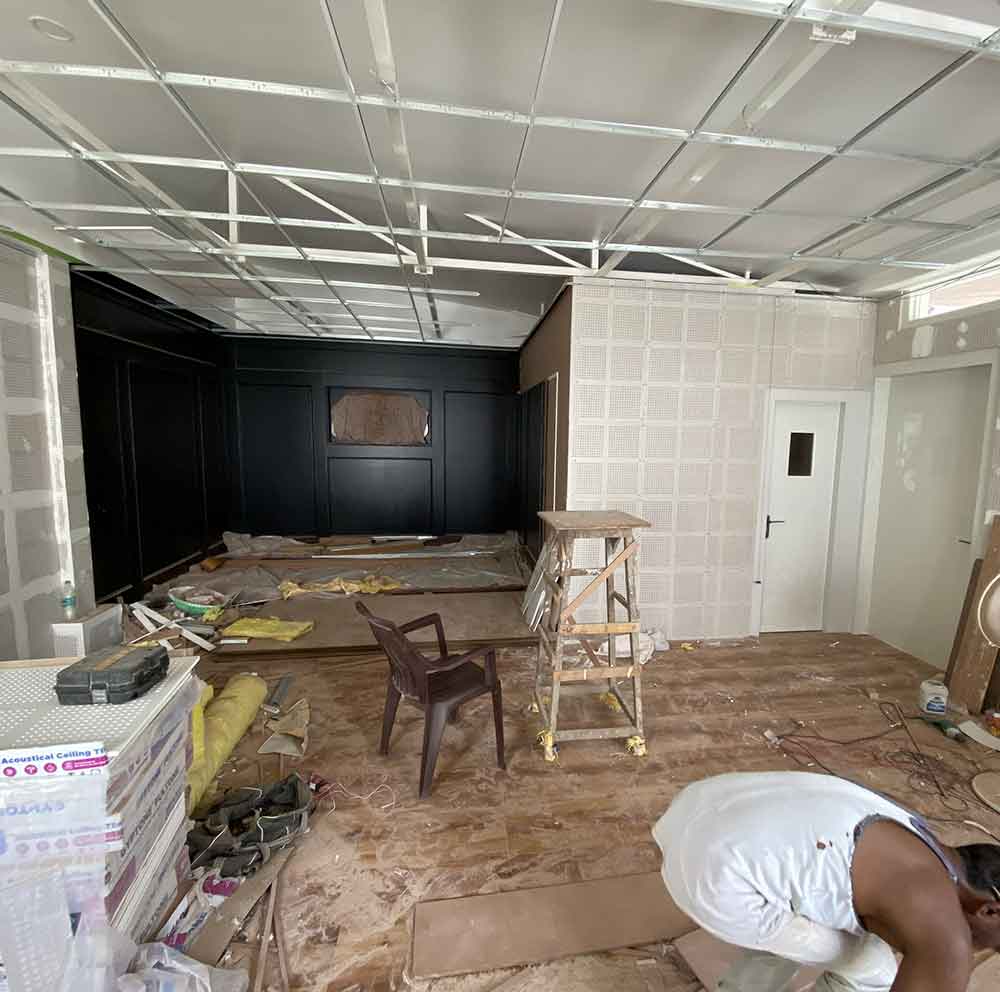
The studio was conceived in 2021.
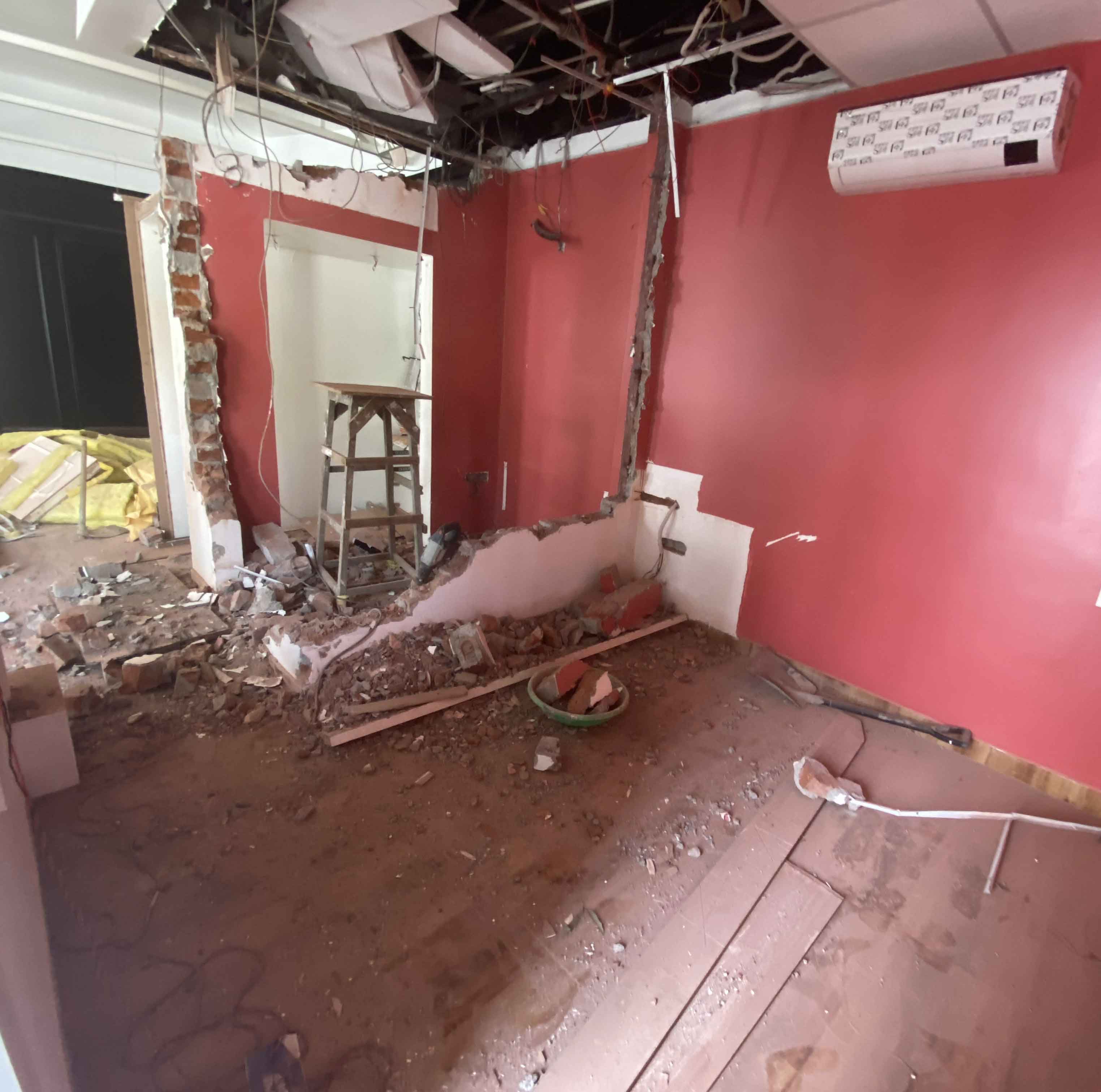
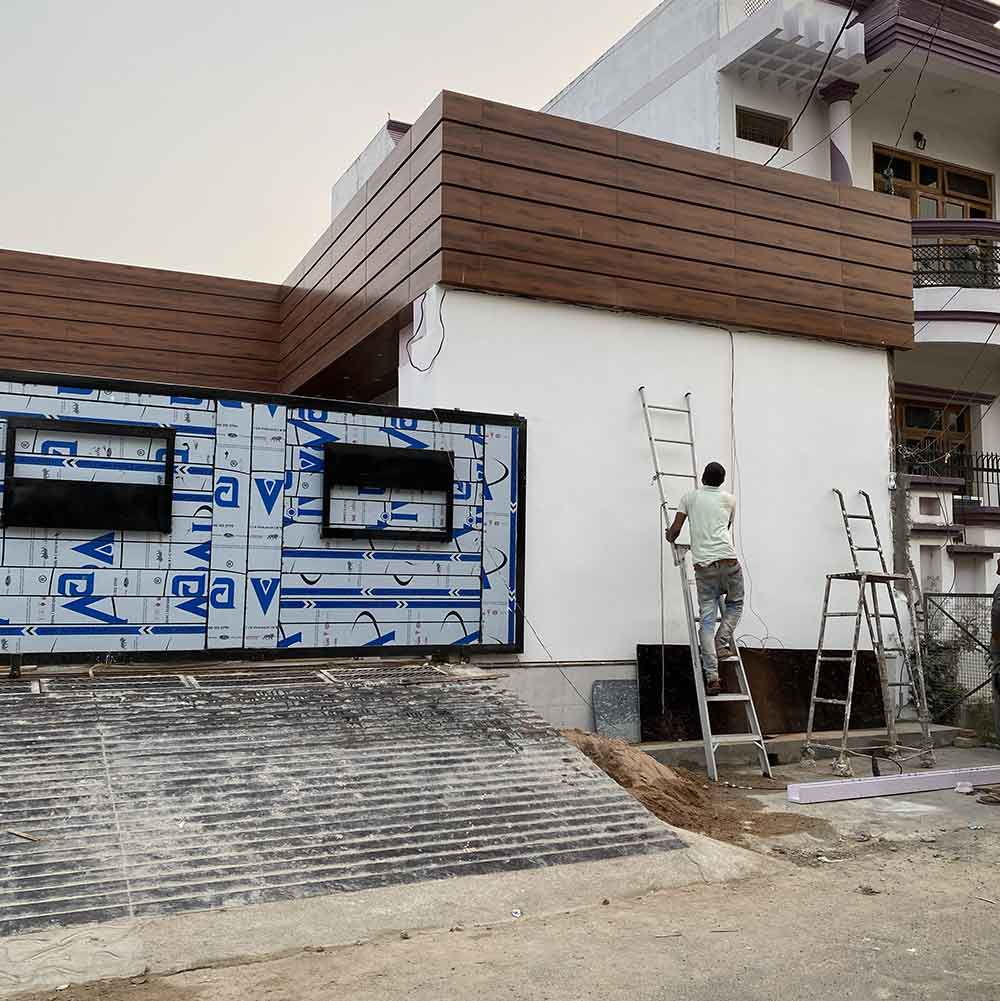
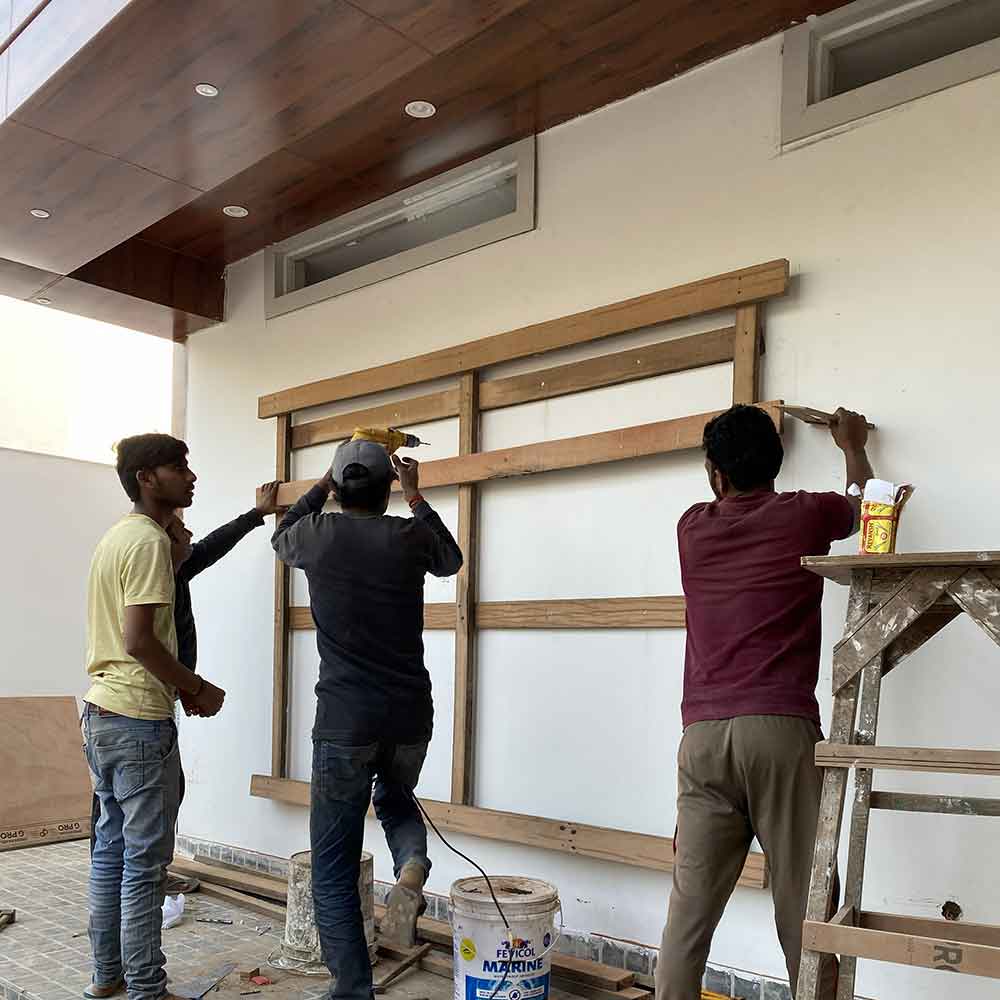
What followed was a period of experimentation, technical learning and considerable trial and error.
Building advanced production infrastructure outside India's most mature media markets brought practical challenges: specialised vendors were fewer, technical advice was fragmented, certain systems had to be customised and seemingly simple construction decisions could affect acoustics, lighting, chroma keying or post-production efficiency.
There were setbacks.
There were choices that had to be revisited.
There were reasons to scale down the ambition.
Anamya did not.
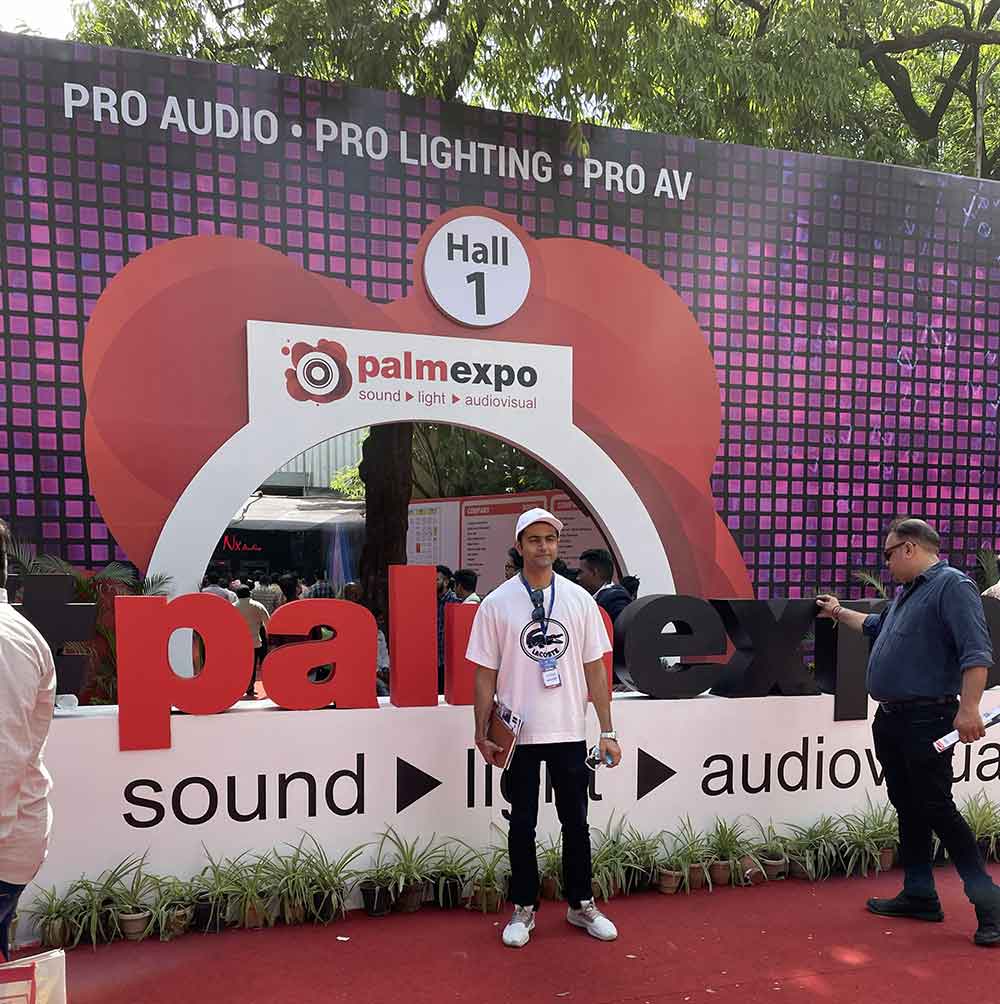
Apoorv travelled to PALM Expo Mumbai, meeting equipment companies, engineers and professional vendors while trying to identify the right technical partners to bring the facility together.
It was, in many ways, the beginning of a pattern Anamya would follow repeatedly over the coming years:
go where the knowledge is, bring the knowledge back, and build capability locally.
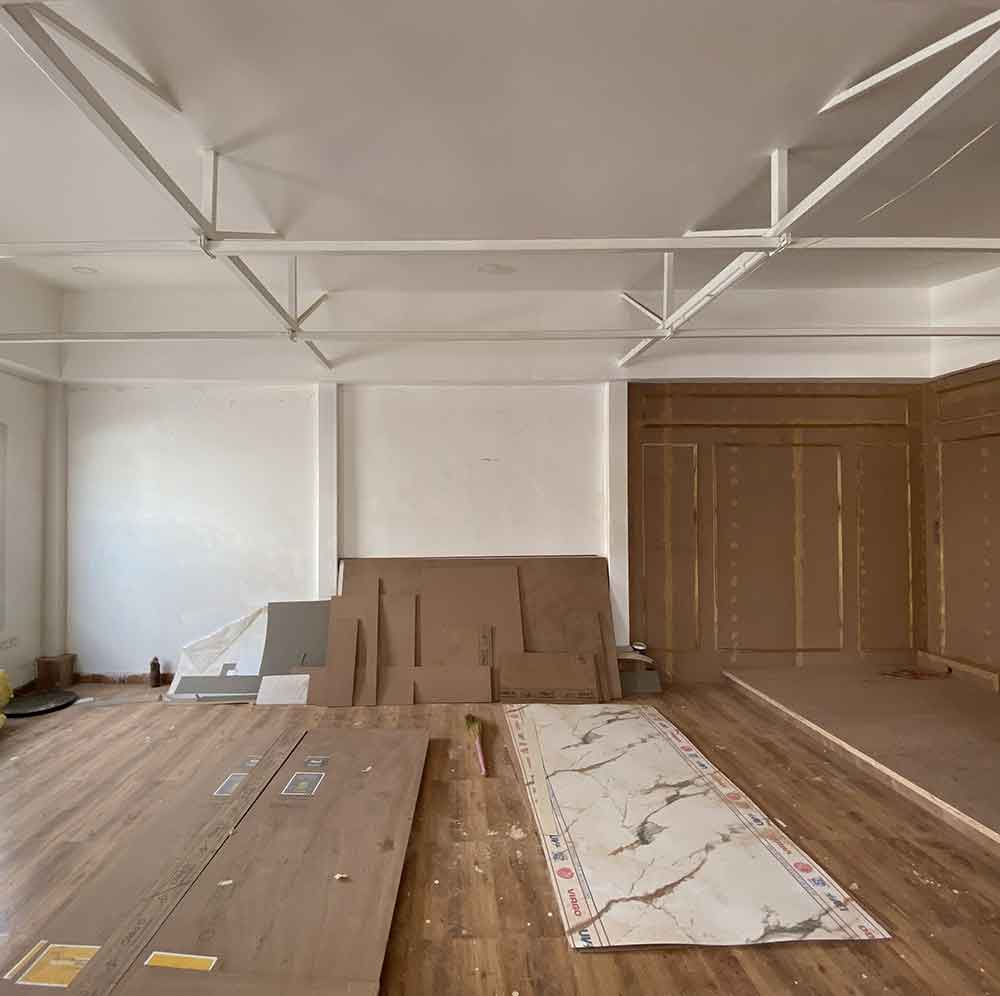
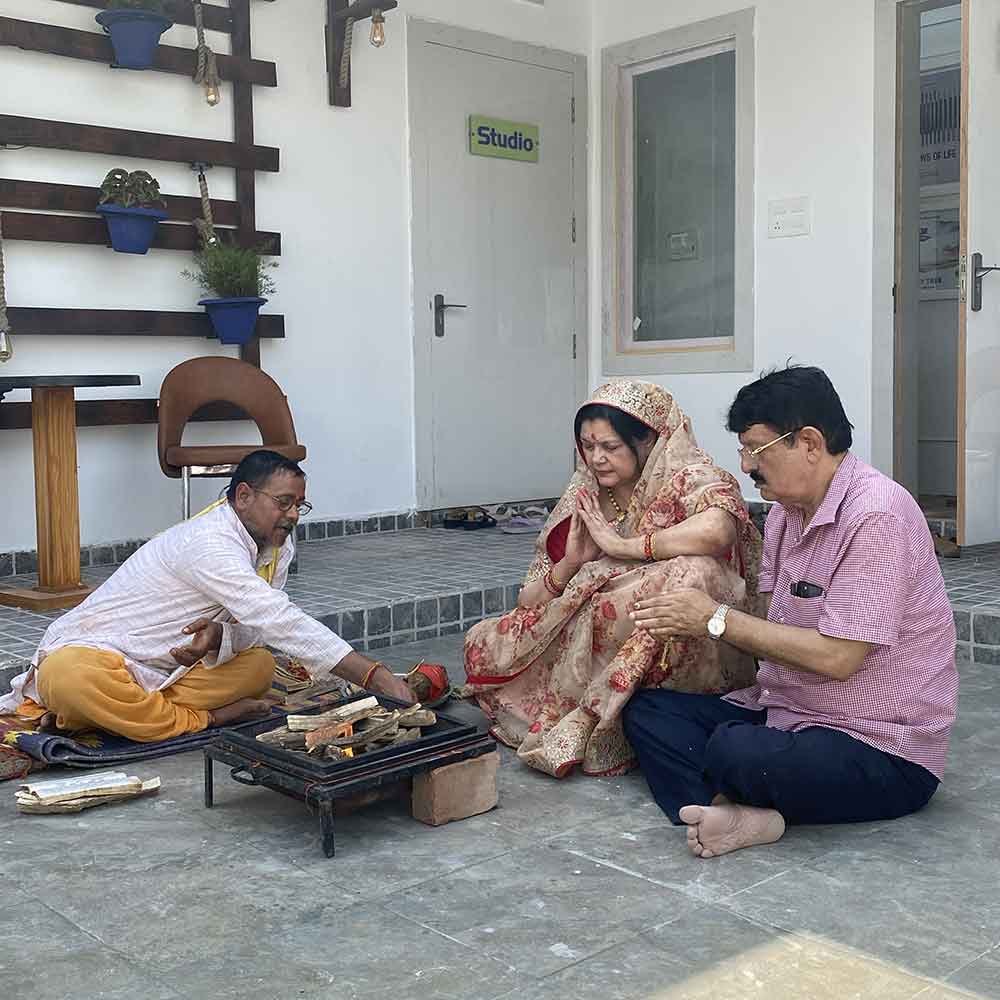
System by system, the studio began to emerge.
On 5 April 2022, Anamya Studio VFX opened in Lucknow.
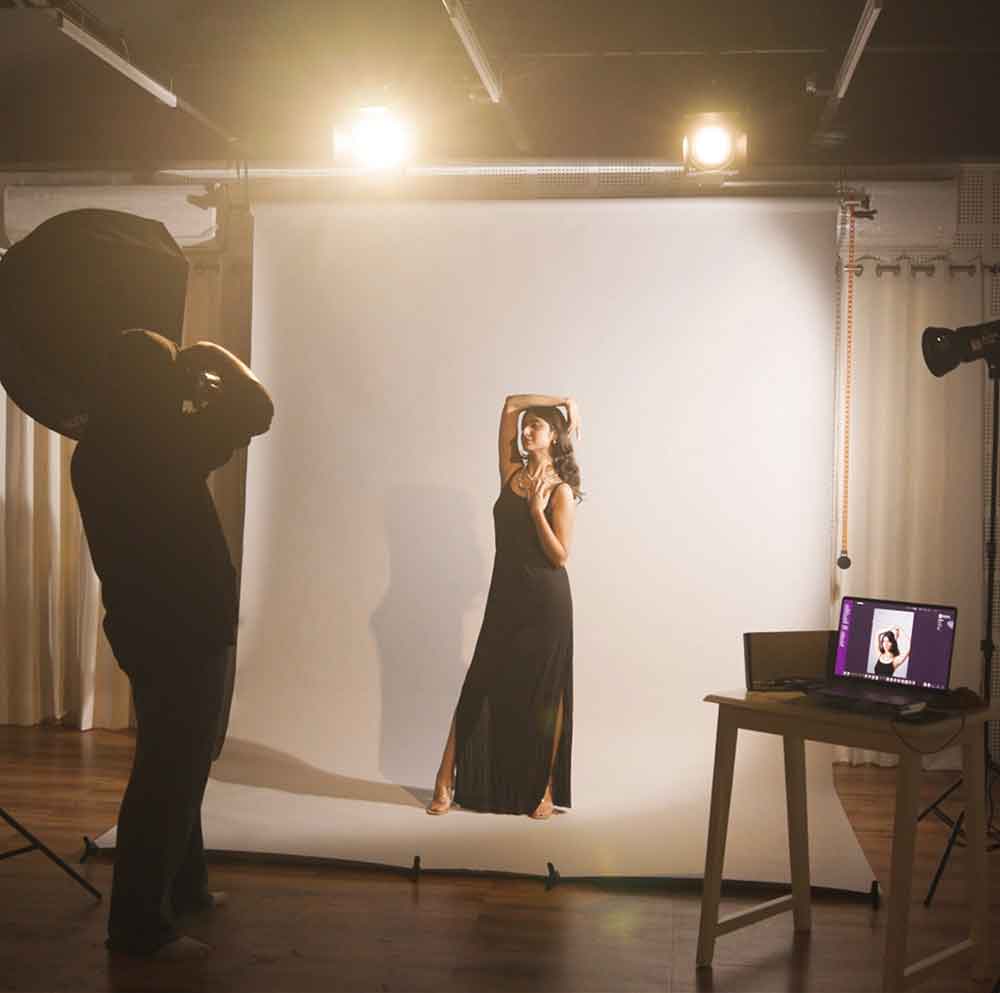
At the time of its launch, Anamya invested in production technology that was still relatively unusual within the city's independent studio ecosystem.
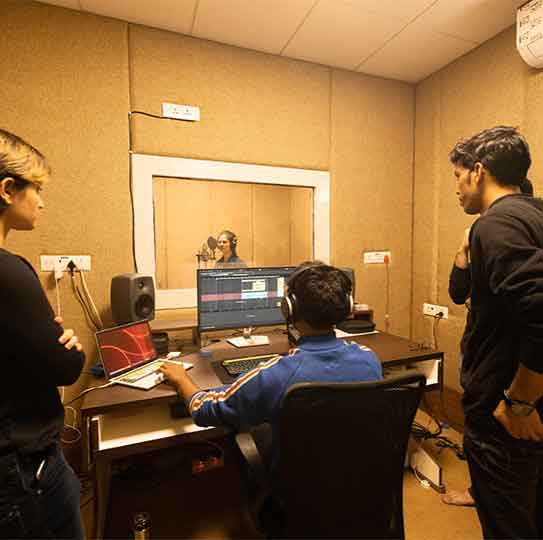
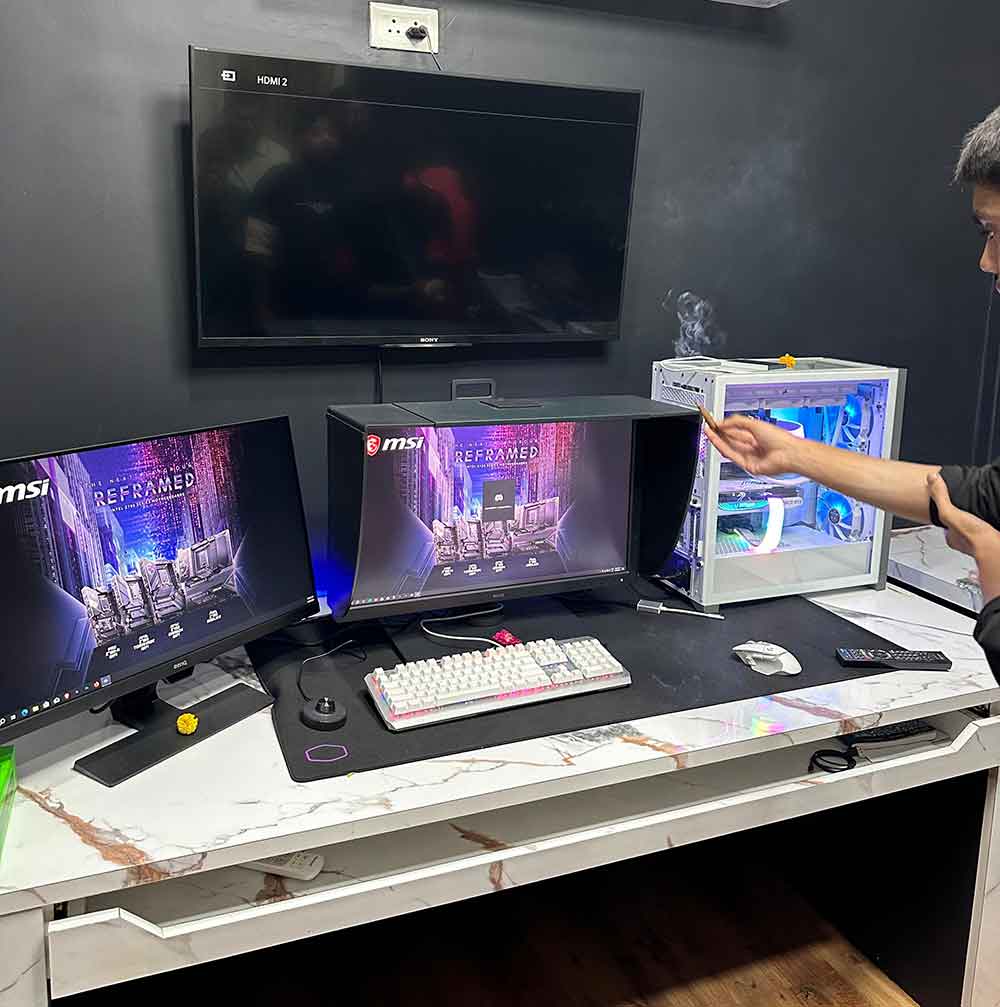
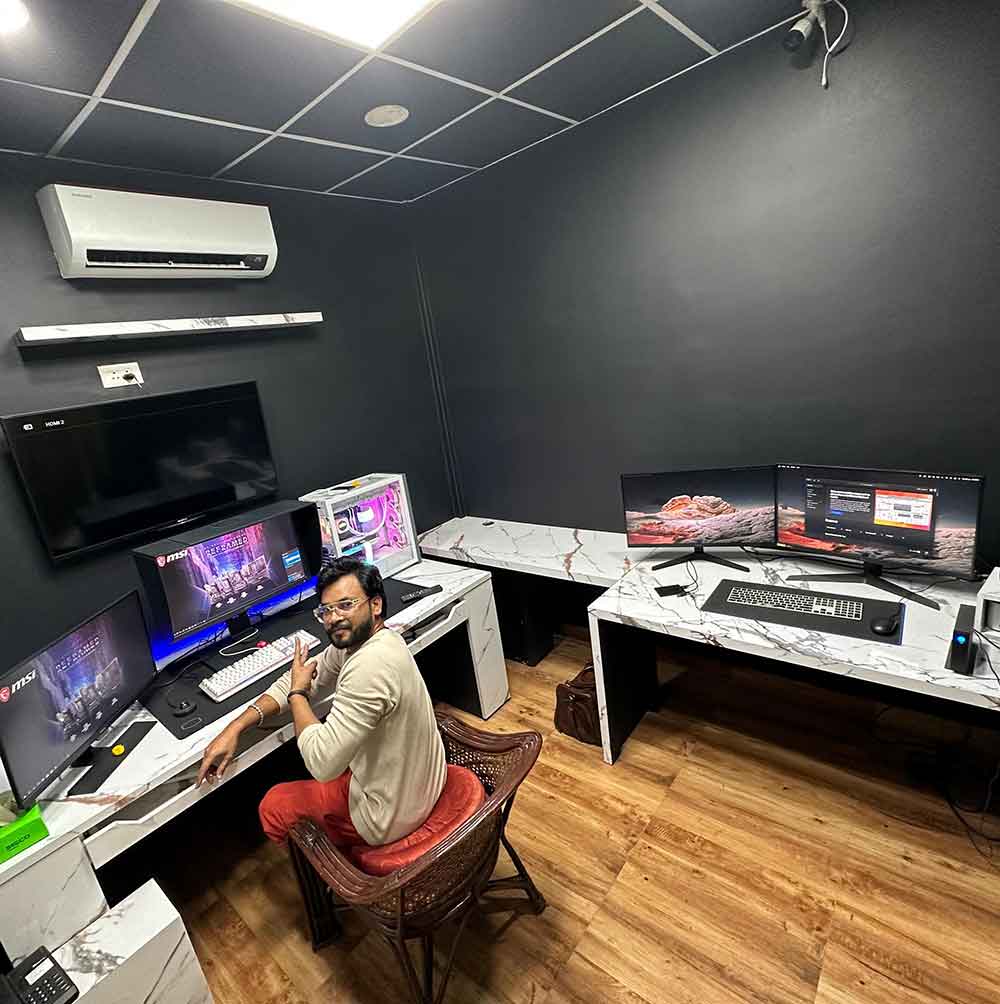
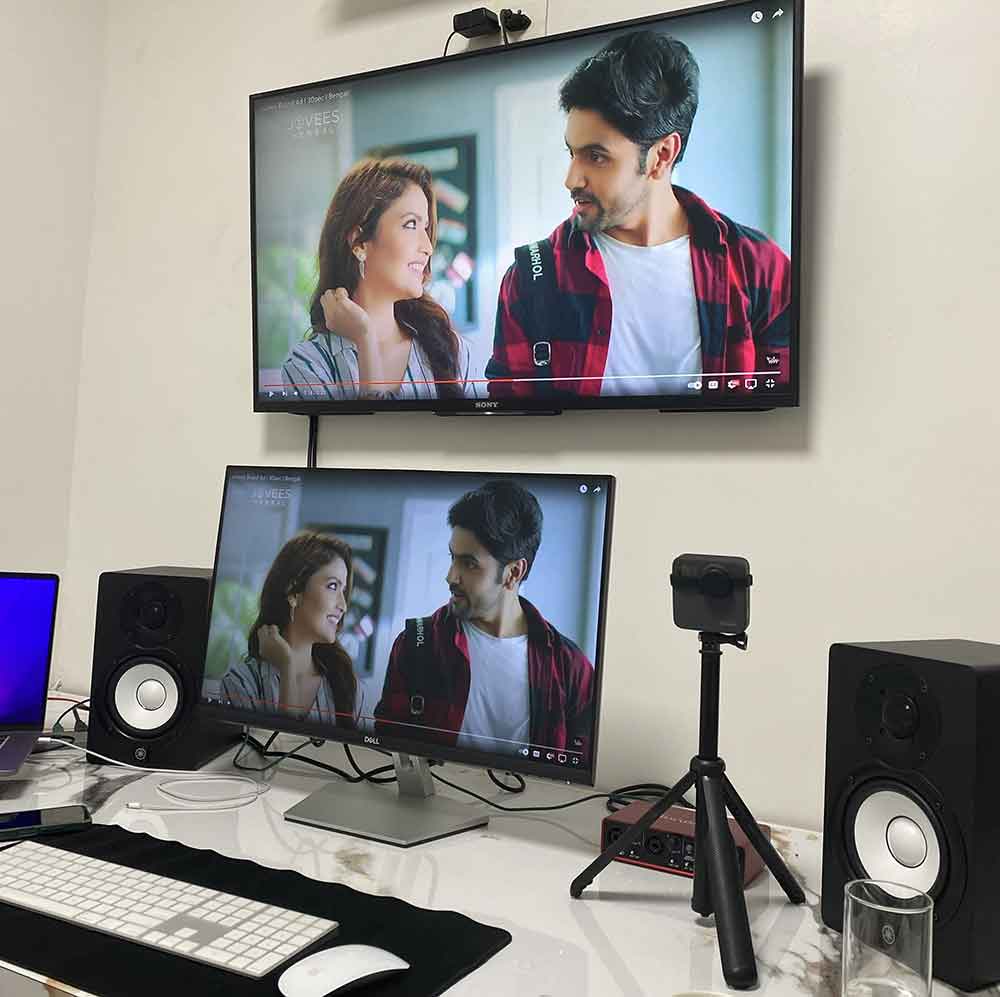
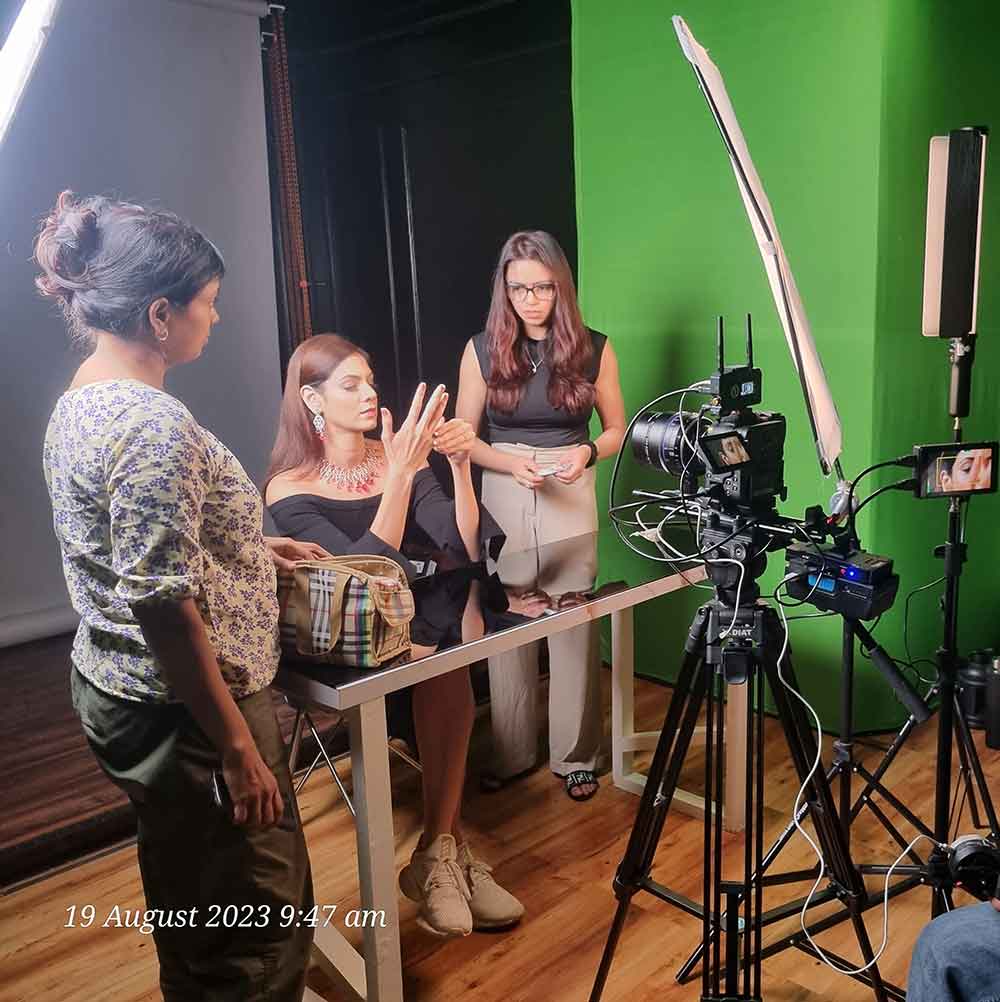
Its production package included the Canon EOS C70, part of Netflix's approved-camera ecosystem for qualifying workflows. Professional Genelec studio monitors were incorporated into its audio environment. A customised Apple Mac Studio-based post-production system was built to handle increasingly demanding editing, graphics, VFX and finishing work.
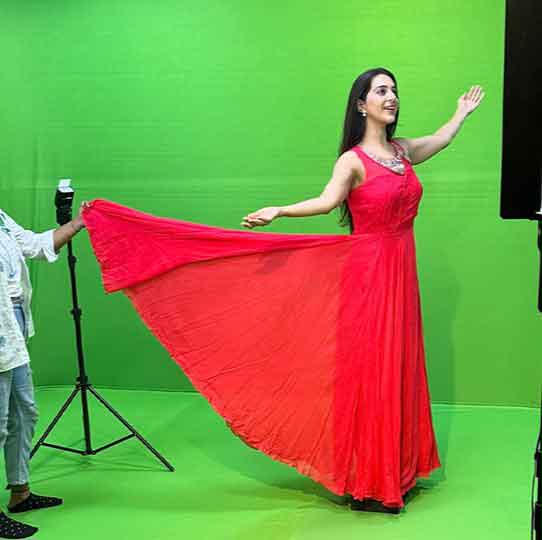
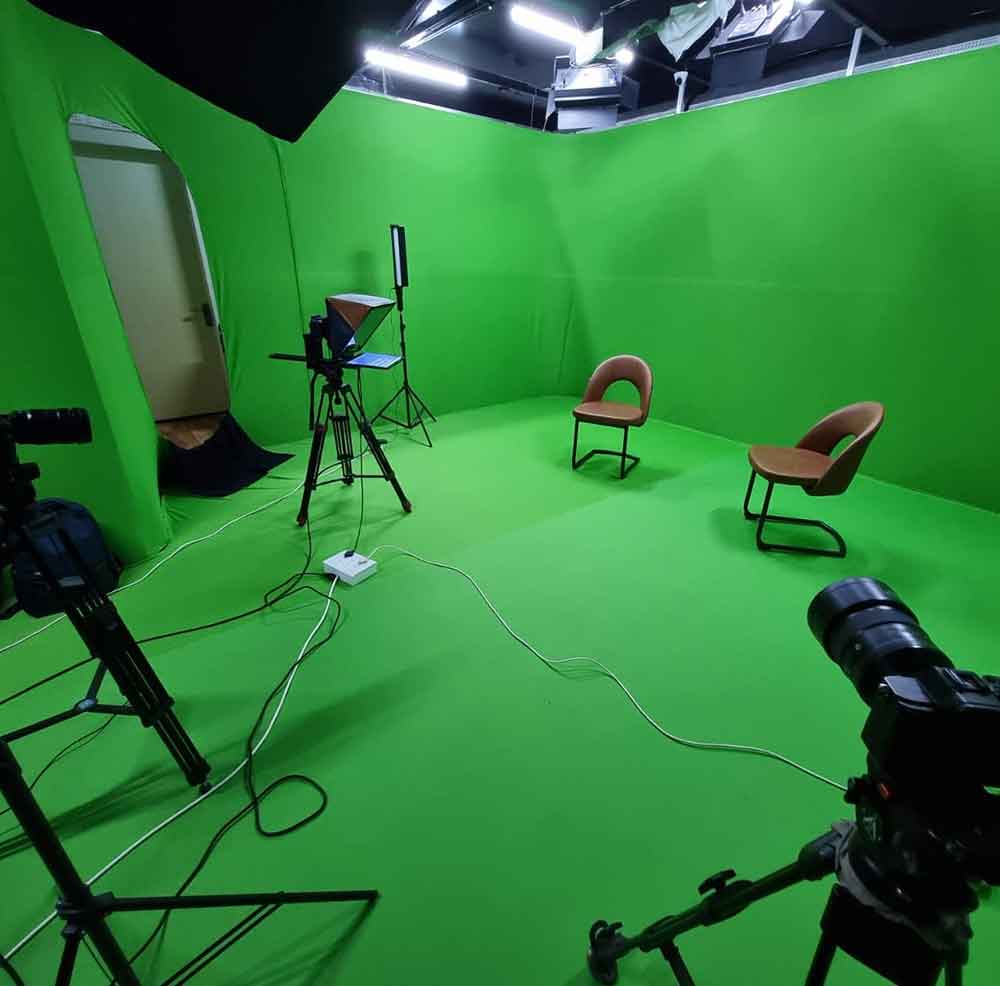
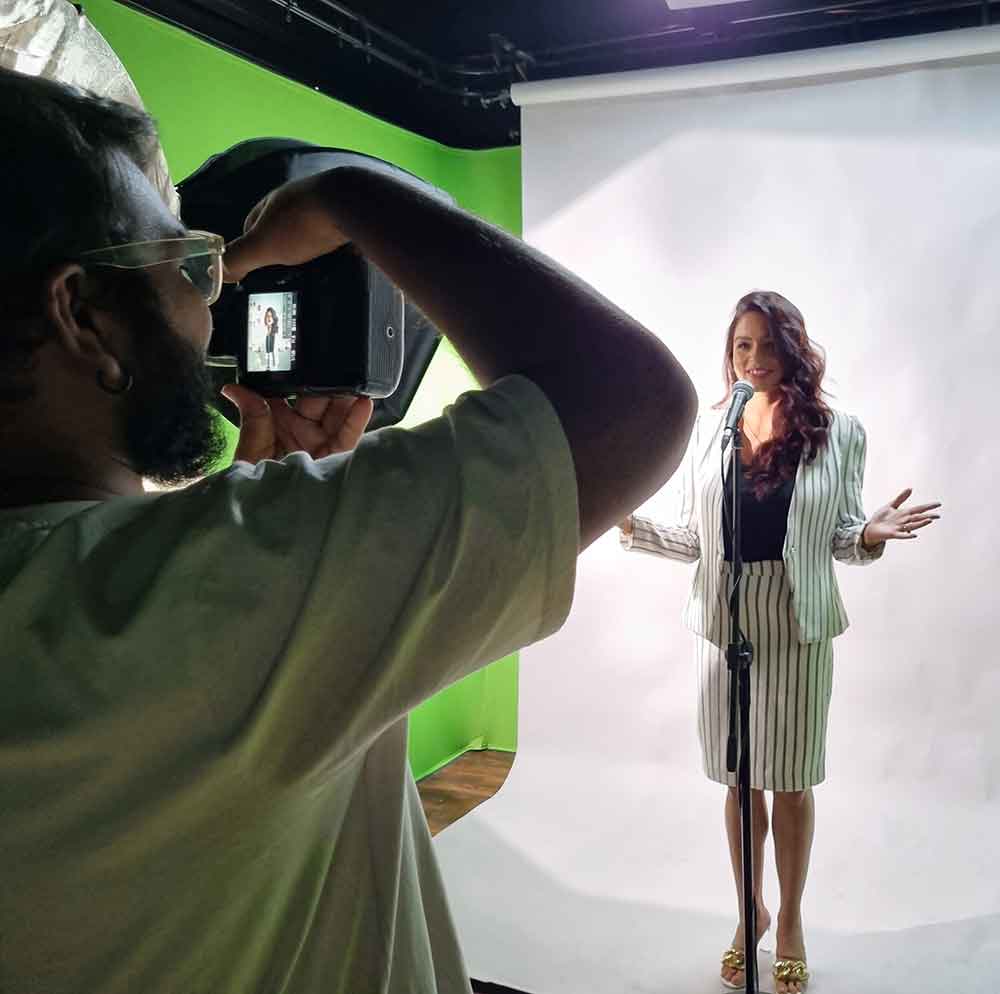
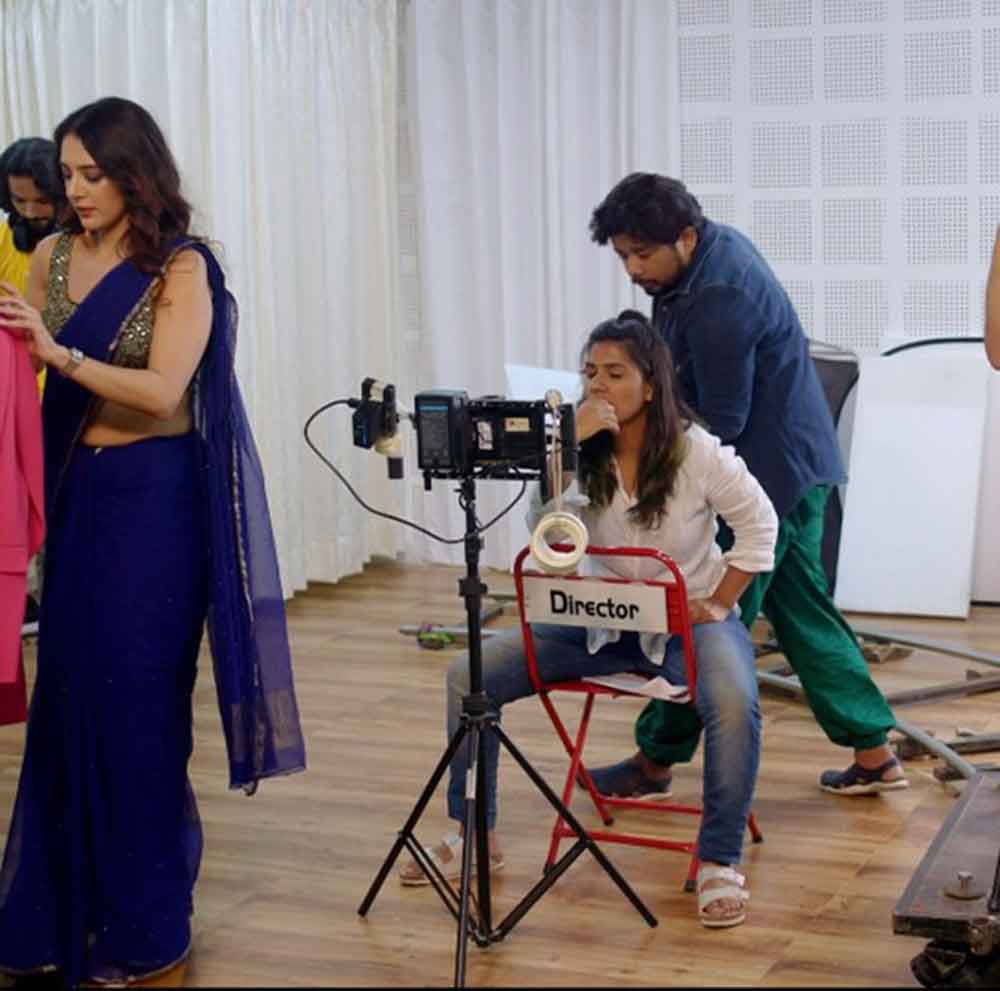
The facility also developed a 360-degree curved green-screen setup, a deceptively technical part of the build that required significant experimentation before the team achieved the intended result.
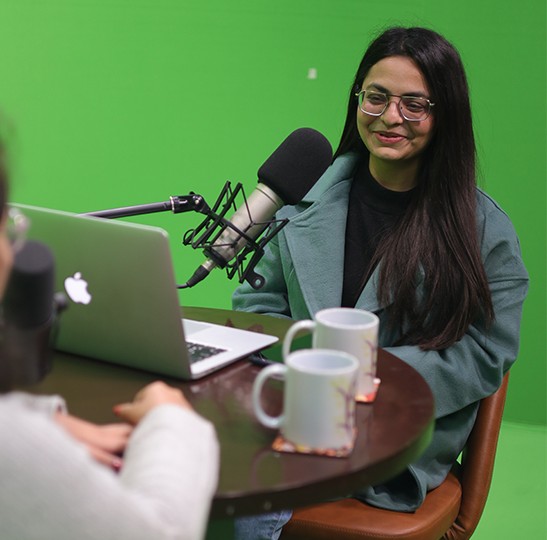
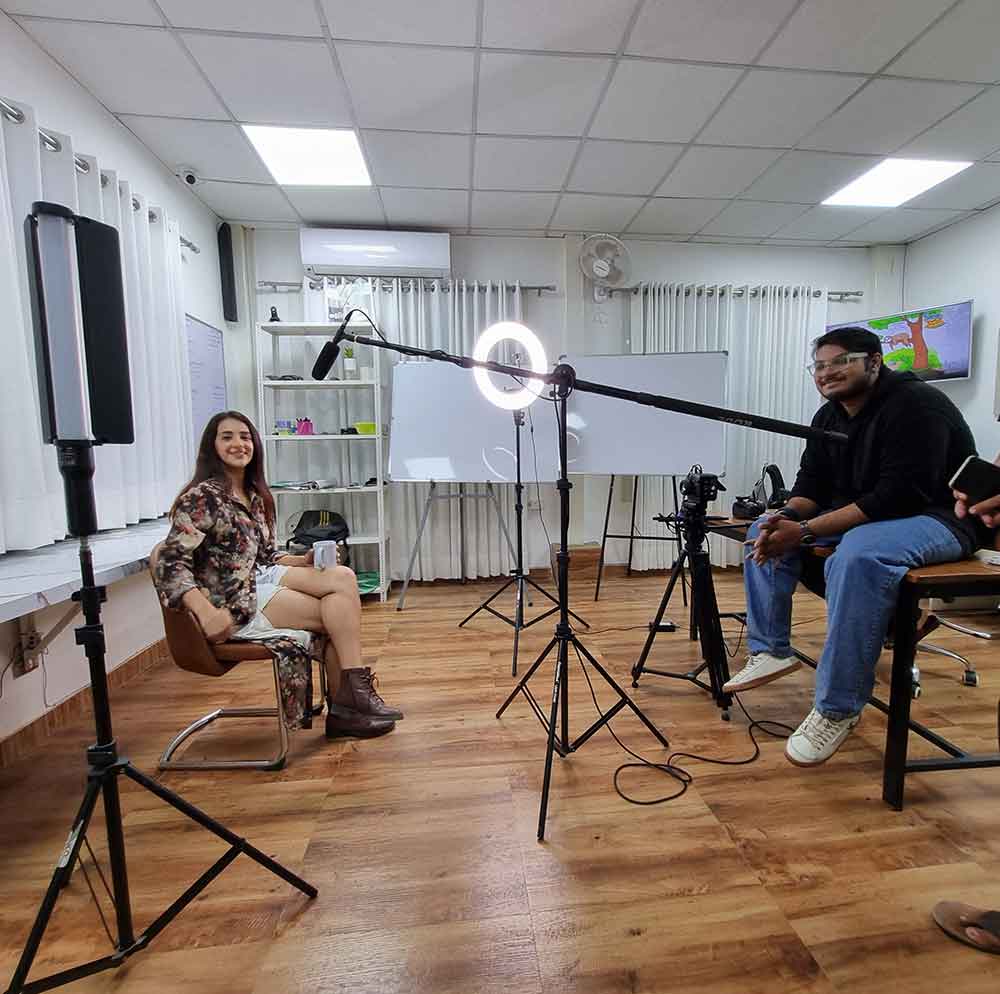
Professional audio infrastructure incorporated equipment such as the Shure SM7B, RØDE microphones and dedicated recording workflows suited to voice, film, music and branded-content production.
Over time, the studio's capabilities expanded further into colour grading, DI, visual effects, sound post-production, animation, dubbing and localisation.
Today, Anamya describes its Lucknow facility as having one of its most sophisticated DI and colour-finishing environments in Uttar Pradesh.
Yet simply listing the equipment misses the real point.
Anamya Studio VFX was never supposed to become a technology showroom.
The machines existed to make things.
And they did.
Its work has moved across government communication, CSR and ESG storytelling, corporate films, branded content, documentaries, animation, music content, VFX, editing, sound and institutional communication.
But somewhere along the way, a more significant transformation started.
Anamya stopped thinking only as a production-service company.
It began building intellectual property.
By 13 August 2026, the company's creative pipeline includes six original IPs across different formats.
One of them is Rango Tango – Vigyaan Ki Masti, Anamya's original 3D animated children's property and a project that has become a particularly important expression of what the Lucknow studio was originally built to make possible.
The company describes Rango Tango, based on its own market research, as India's first 3D animated children's show developed for a 3D vertical format. The project was also associated with the NFDC/WAVES Film Bazaar Goa 2025 ecosystem, placing an IP developed from Lucknow into a larger Indian content-market conversation.
The significance is not merely that Anamya created an animation show.
It is that a workflow traditionally associated with established animation and post-production hubs could be developed, iterated and produced from the company's own ecosystem in Uttar Pradesh.
And Rango Tango is no longer the end point.
Anamya is now developing another global-standard 3D animation show, alongside a web series currently in development.
The studio that began as infrastructure for existing productions is increasingly becoming an engine for creating original entertainment IP.
That changes the nature of the company.
A vendor delivers.
A production house executes.
An IP company creates something that can travel without it.
It is easy to look at Anamya Studio VFX today and begin the story with cameras, computers and green screens.
That would miss where the company actually came from.
Anamya's earliest identity was rooted in social-impact storytelling.
That sensibility has continued through its work in government communication, CSR and ESG content, policy communication, documentaries and public-interest campaigns, even as its technical capabilities expanded into animation, VFX, advertising and commercial post-production.
The result is an unusual overlap.
A company that can discuss social communication in one room and 3D animation pipelines in another.
A team that can develop a government AV campaign and also build an original children's IP.
A studio originally created for production control that increasingly operates across creative strategy, production, post-production, animation, VFX, dubbing, localisation and newer AI-assisted storytelling workflows.
The “all under one roof” philosophy conceived in 2021 has gradually become less of a slogan and more of a working structure.
Studios are often described through square footage and equipment.
Creative ecosystems are better understood through people.
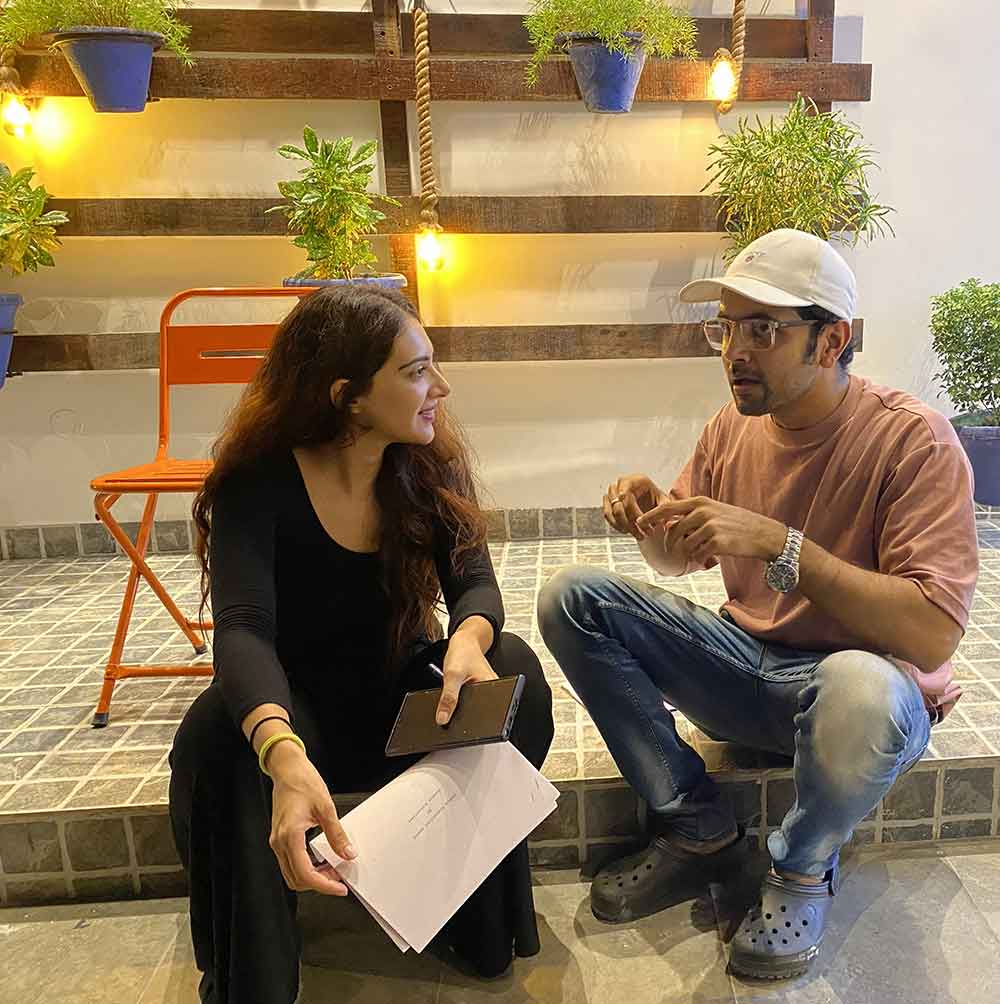
According to Anamya's internal estimates, the company and its productions have generated work opportunities for more than 500 creative and technical professionals over the course of its journey.
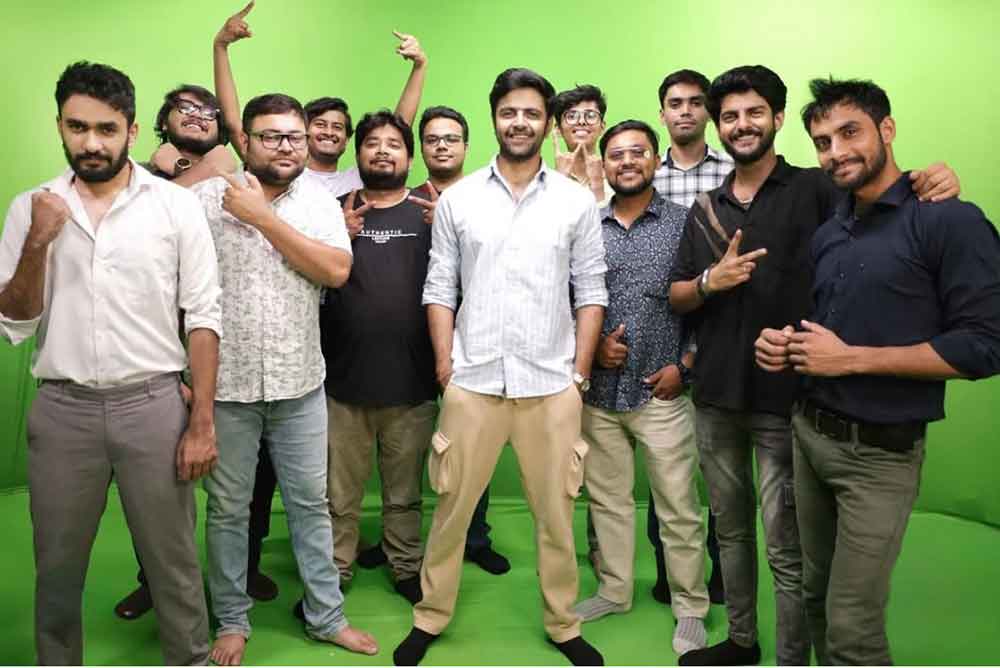
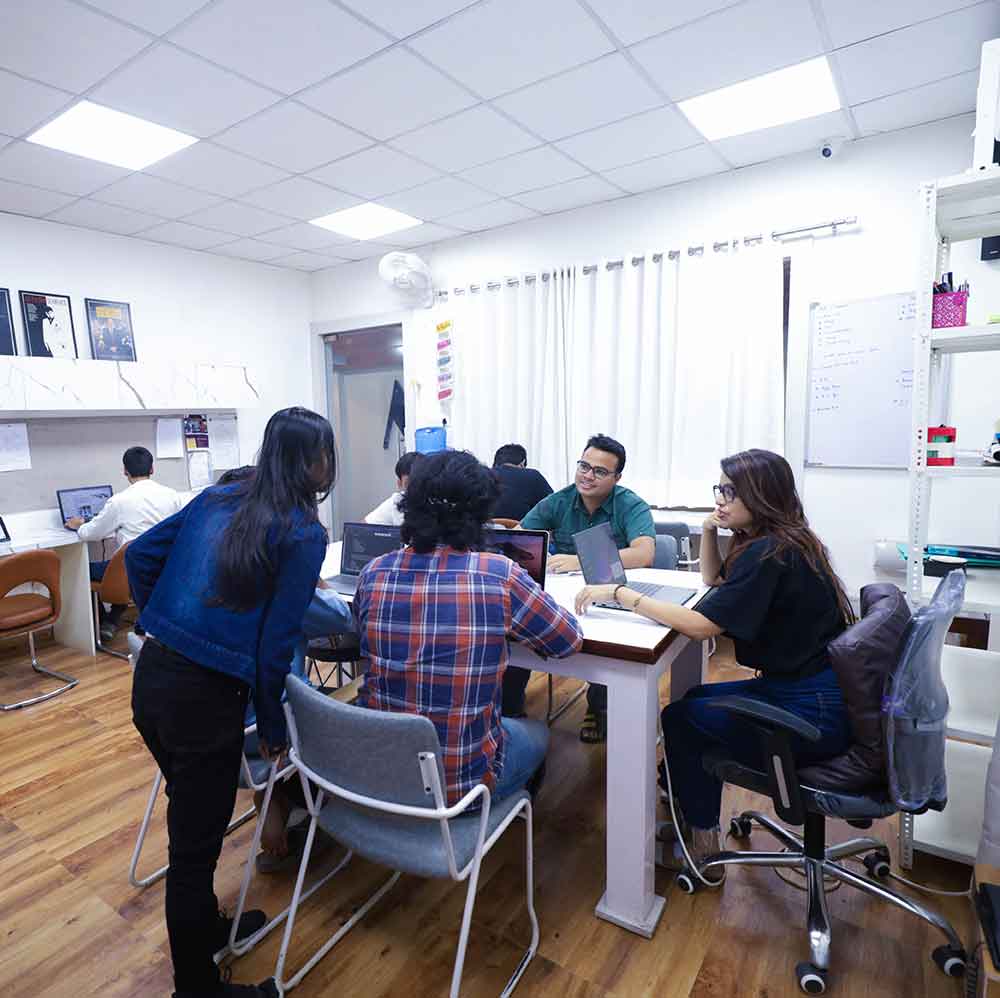
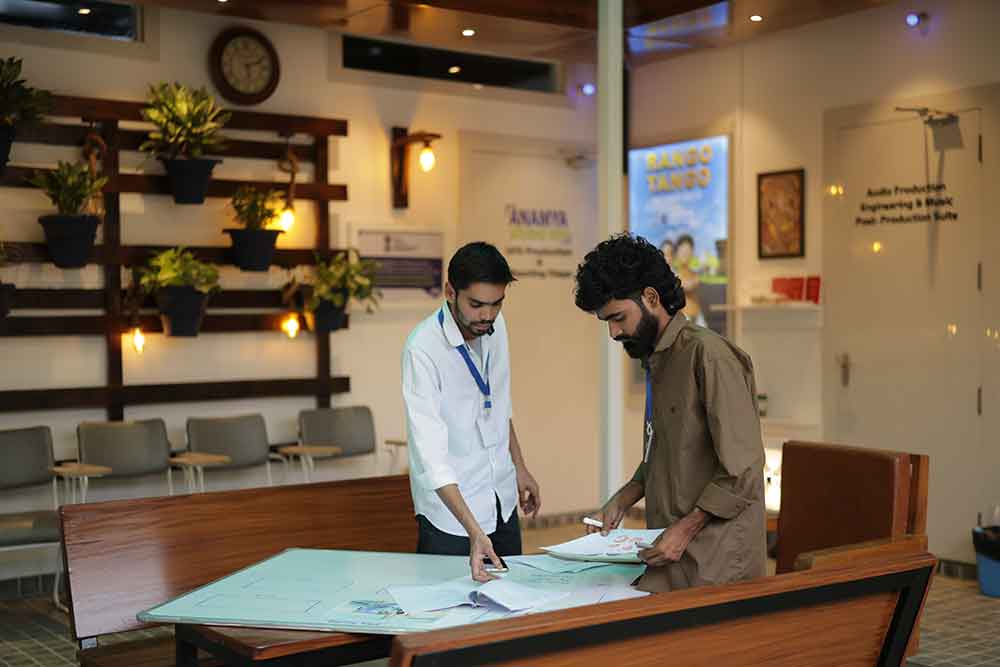
The talent has ranged from young professionals emerging from Lucknow's academic and creative ecosystem to collaborators with international education and professional exposure, including the University of London ecosystem.
That part of the Anamya story deserves attention because the decentralisation of India's media industry will not happen simply because cheaper technology reaches smaller cities.
It happens when talented people can build serious portfolios without feeling that they must first migrate to Mumbai, Hyderabad or Bengaluru to be taken seriously.
Infrastructure creates possibility.
Repeated work creates an industry.
By 2026, Anamya's working footprint had expanded beyond its original Lucknow base.
The company now operates with a presence in Noida, while its working network extends into Delhi NCR, Mumbai, Dubai and other markets.
Its service portfolio has also become increasingly international in orientation, including post-production, animation, VFX, dubbing, localisation and creative production services, with work and business development extending towards the UAE market.
This matters because the original hypothesis behind Anamya Studio VFX was never that Lucknow should operate in isolation.
Quite the opposite.
The ambition was to create a strong production base in Uttar Pradesh that could connect outward.
Local infrastructure.
National execution.
International ambition.
In January 2026, Anamya Productions & Consultancy Pvt. Ltd. reached another important milestone when it was empanelled by the Central Bureau of Communication, Ministry of Information & Broadcasting, Government of India, as an Audio-Visual Producer.
The company is also ISO certified, adding another layer of process and organisational structure to a business that began as a comparatively young creative-production venture.
By then, the evolution was becoming easier to see.
Social-impact films had led to stronger production ambitions.
Those ambitions led to a studio.
The studio enabled larger client work.
The infrastructure enabled original IP.
The IP demanded stronger animation and post-production pipelines.
Those pipelines created more work for technicians and creatives.
The capabilities opened new markets.
And each phase quietly created the conditions for the next one.
That is what makes the story more interesting than a simple studio-opening narrative.
There is something almost unfashionable about the way Anamya has grown.
At a time when young companies are frequently discussed through fundraising headlines, accelerated scale and valuation, Anamya's model has been comparatively traditional.
It is slower.
But perhaps that is exactly why the model is beginning to acquire weight.
Anamya Studio VFX has focused considerably more on capability-building than visibility-building.
The company did not become technically stronger because it marketed itself as technically stronger.
It became stronger by continuously adding to the production ecosystem.
That distinction matters in a creative industry where a polished showreel can sometimes arrive long before the infrastructure behind it.
There is also a cultural dimension to what Anamya is attempting.
Lucknow has never lacked writers, performers, designers, artists or storytellers.
What it has historically lacked, compared with India's largest entertainment hubs, is the density of production infrastructure required to repeatedly turn that talent into technically sophisticated commercial content.
Anamya Studio VFX is one attempt to narrow that distance.
Not by trying to turn Lucknow into Mumbai.
That would miss the point entirely.
But by demonstrating that a creative company can retain the identity, talent and economic advantages of its home city while accessing professional technology and increasingly international production workflows.
That is a much more interesting proposition.
Because the future of India's creative economy may not belong to one new media capital replacing another.
It may belong to multiple specialised creative centres emerging simultaneously across the country.
And Now, the Next Chapter
As of 13 August 2026, Anamya Studio VFX's output tells a very different story from the company that began building a studio five years ago:
10+ social-impact short films.
50+ client projects.
Six original IPs.
An original 3D animated children's series.
Another global-standard 3D animation show in development.
A web series in development.
An expanding VFX, DI, animation and post-production pipeline.
Work across government, institutional, CSR/ESG, commercial and entertainment content.
A growing presence across Lucknow, Noida, Delhi NCR and international-facing markets including the UAE.
And empanelment by the Central Bureau of Communication, Ministry of Information & Broadcasting, Government of India, as an Audio-Visual Producer.
The numbers matter.
But they are not the conclusion.
The more compelling part is what they suggest.
In 2021, Anamya Productions decided that access to sophisticated production should not depend entirely on geography.
In 2022, it opened the infrastructure to begin testing that belief.
By 2026, that infrastructure is producing client work, social-impact communication, animation, original IP and long-form projects that travel increasingly beyond the city in which the studio was built.
Lucknow did not need to become something else for Anamya Studio VFX to grow.
Anamya simply needed to build something ambitious enough to belong to Lucknow—and still speak to the world.
Built in Lucknow. Made for the world.